








Pregnancy and gums: what changes, what matters
During pregnancy, many women find that their gums swell and bleed when they brush. This is neither inevitable nor, in itself, a danger to the baby: most often it is gingivitis made more visible by hormones, and it can be treated. This article sets out what the studies show, the debated link between periodontitis and the course of pregnancy, and the role of a periodontal examination at this stage of life.
Key points
- Pregnancy hormones make the gums more reactive to plaque: they bleed more easily, especially in the second and third trimesters.
- Periodontitis is associated with a slightly higher risk of premature birth or low birth weight; this is a modest association, not a proven cause.
- Treating the gums during pregnancy is safe and improves their condition; trials do not show a clear reduction in premature births.
- French national health insurance (Assurance maladie) offers a preventive dental examination from the fourth month of pregnancy.
Why do gums bleed during pregnancy?
The rise in sex hormones during pregnancy changes how the gums react to dental plaque: for the same amount of plaque, inflammation is stronger than usual [1]. The 2018 international classification lists pregnancy among the factors that aggravate plaque-induced gingivitis, in the same way as puberty [1]. In other words, hormones do not create the disease: they amplify the response to plaque that is already there.
A study that followed 48 pregnant women shows that gum inflammation increases in the second trimester, remains high in the third, then decreases after delivery, while the amount of plaque stays low and stable [2]. Reported frequency varies widely depending on the study and the criteria used: from 36% to 100% of pregnant women according to the European Federation of Periodontology report [3].
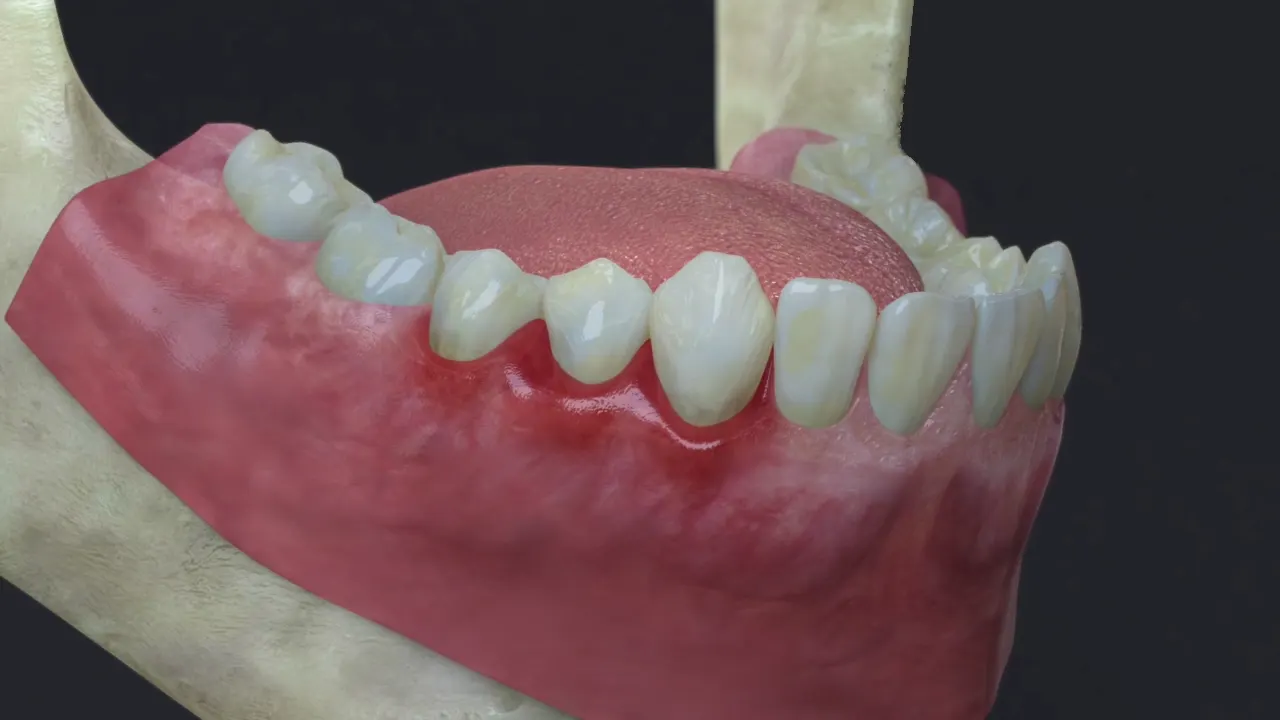
The usual signs: red, swollen gums that bleed when brushing or using interdental brushes. Less often, a small red growth appears on the gum, called an epulis or pregnancy granuloma; its reported frequency ranges from 0.2% to 9.6% depending on the series [3]. It is not dangerous but should be shown to a practitioner.
Gingivitis or periodontitis: a difference that matters
Gingivitis affects only the gum; it is reversible. Periodontitis, by contrast, gradually destroys the attachment and bone that hold the teeth. A woman who already had periodontitis before pregnancy may see it worsen if it is not treated. Only a periodontal examination, clinical and radiographic if needed, can tell the two apart; the warning signs are described in the article Understanding periodontitis.
Periodontitis and the baby: what do the studies show?
The 2013 European and American consensus report identifies an association between maternal periodontitis and low birth weight, premature birth and pre-eclampsia, while noting that the strength of these associations is modest and varies between the populations studied [4]. Two mechanisms are considered plausible: oral bacteria, or their components, reaching the placenta, and inflammatory mediators circulating in the blood [4]. An association is not proof that periodontitis causes these complications.
The decisive question is therefore: does treating the gums during pregnancy change the outcome of the pregnancy? The 2017 Cochrane review brought together 15 trials and 7,161 women [5]:
- Premature birth (before 37 weeks): no clear difference between treated and untreated women; low certainty of evidence.
- Low birth weight (under 2,500 g): 9.7% with treatment versus 12.6% without; treatment may reduce it, with low certainty.
- Safety: no adverse effects of treatment and no maternal deaths in the studies that measured them.
Can I see a dentist and have treatment while pregnant?
Yes. The trials in the Cochrane review found no adverse effects of periodontal treatment during pregnancy [5], and the American Dental Association, drawing on the American College of Obstetricians and Gynecologists, states that preventive, diagnostic and treatment care is safe throughout pregnancy, including local anaesthesia [6]. It is helpful to mention the pregnancy and its stage when booking, along with any current medication; arrangements are adapted to each situation at the practice.
French national health insurance (Assurance maladie) offers pregnant women a preventive oral examination, with no upfront payment, from the fourth month of pregnancy until six months after delivery; the form is sent after the pregnancy has been declared [7]. It is a good opportunity to have the gums checked.
Day to day: what really helps
- Keep brushing, even if the gums bleed: bleeding decreases when plaque is removed regularly.
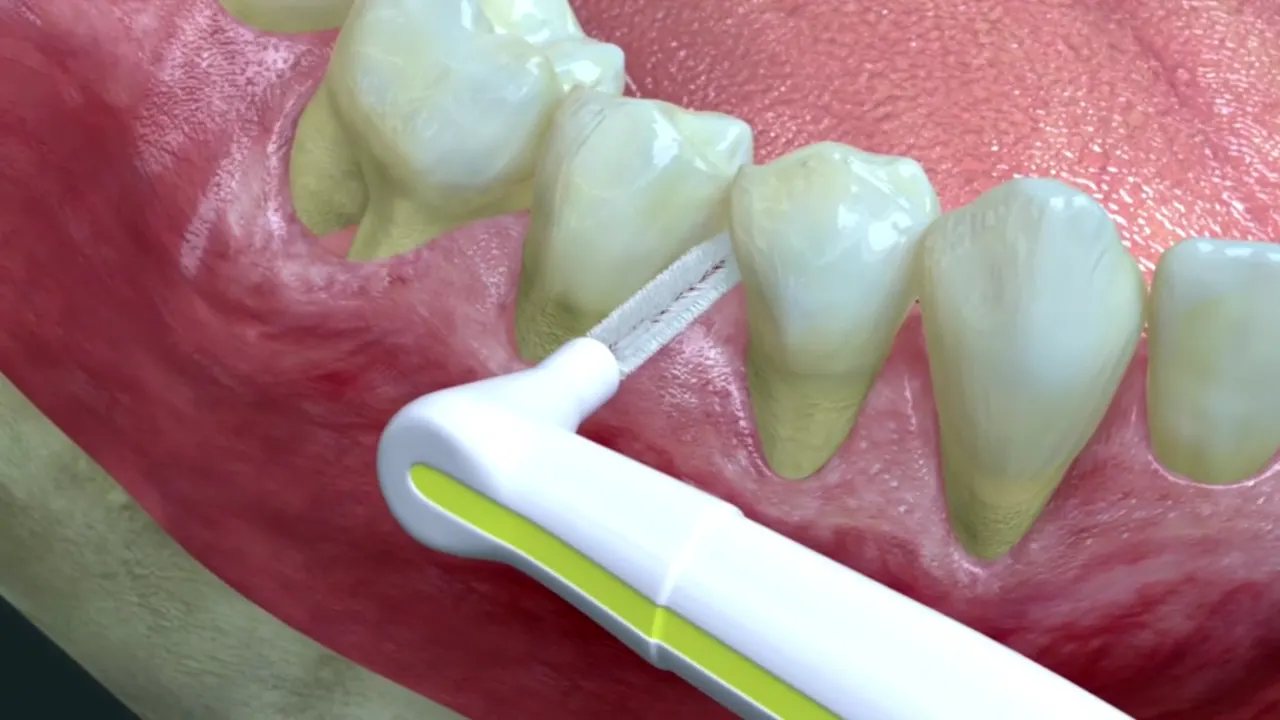
- Clean between the teeth every day with interdental brushes suited to each space; choosing the sizes is explained on the Oral hygiene page.
- In case of nausea, rinse the mouth with water and wait a little before brushing, so as not to weaken the enamel.
- Seek advice if the gums bleed a lot, if a growth appears, if a tooth becomes loose, or if periodontitis was already known before the pregnancy.
Frequently asked questions
My gums have been bleeding since I became pregnant: is it dangerous for my baby?
Most often it is gingivitis made more pronounced by hormones. It is not in itself a danger to the baby and can be treated. Periodontitis is associated with a slightly higher risk of prematurity or low birth weight, but a cause-and-effect link has not been shown: an examination can tell the difference.
Can gum treatment be carried out during pregnancy?
Yes. Trials in pregnant women have not shown adverse effects of periodontal treatment, which improves the condition of the gums. Mention your pregnancy and its stage when booking.
Will treating my gums prevent a premature birth?
This has not been shown. The 2017 Cochrane review finds no clear difference in prematurity; it suggests, with low certainty, a possible reduction in low birth weight. Treatment is justified first and foremost for the mother's health.
Do the gums return to normal after delivery?
Pregnancy-related inflammation generally decreases after delivery [2]. If bleeding persists, or if periodontitis was present, a periodontal assessment is useful.
References
- Chapple ILC, Mealey BL, Van Dyke TE, et al. Periodontal health and gingival diseases and conditions on an intact and a reduced periodontium: Consensus report of workgroup 1 of the 2017 World Workshop. J Clin Periodontol. 2018;45 Suppl 20:S68-S77. Consulté le 11 octobre 2026. DOI
- Figuero E, Carrillo-de-Albornoz A, Herrera D, Bascones-Martínez A. Gingival changes during pregnancy: I. Influence of hormonal variations on clinical and immunological parameters. J Clin Periodontol. 2010;37(3):220-229. Consulté le 11 octobre 2026. prevention.efp.org
- Figuero E, Sanz M. Women's oral health during pregnancy. Rapport de la Fédération européenne de parodontologie (EFP), projet Oral health and pregnancy. Consulté le 11 octobre 2026. efp.org
- Sanz M, Kornman K, et al. Periodontitis and adverse pregnancy outcomes: consensus report of the Joint EFP/AAP Workshop on Periodontitis and Systemic Diseases. J Clin Periodontol. 2013;40 Suppl 14:S164-S169. DOI
- Iheozor-Ejiofor Z, Middleton P, Esposito M, Glenny AM. Treating periodontal disease for preventing adverse birth outcomes in pregnant women. Cochrane Database Syst Rev. 2017;6:CD005297. DOI
- American Dental Association. Oral Health Topics: Pregnancy (mise à jour du 14 juillet 2025), citant l'ACOG Committee Opinion 569. Consulté le 11 octobre 2026. ada.org
- Assurance maladie. Grossesse : démarches et accompagnement (ameli.fr, page du 24 juillet 2026) ; Examen bucco-dentaire des femmes enceintes (page chirurgiens-dentistes, 15 octobre 2025). Consultés le 11 octobre 2026. ameli.fr
Related treatments

How periodontitis is treated: from assessment to stability
Treating periodontitis is not a “deep clean”. It begins with a precise assessment, follows the steps laid down by the 2020 European guideline and is judged on compared…

Your first visit
The first appointment is about understanding: the state of your gums and bone, the causes at work, the treatment options. It involves no painful treatment and ends with…
Read next
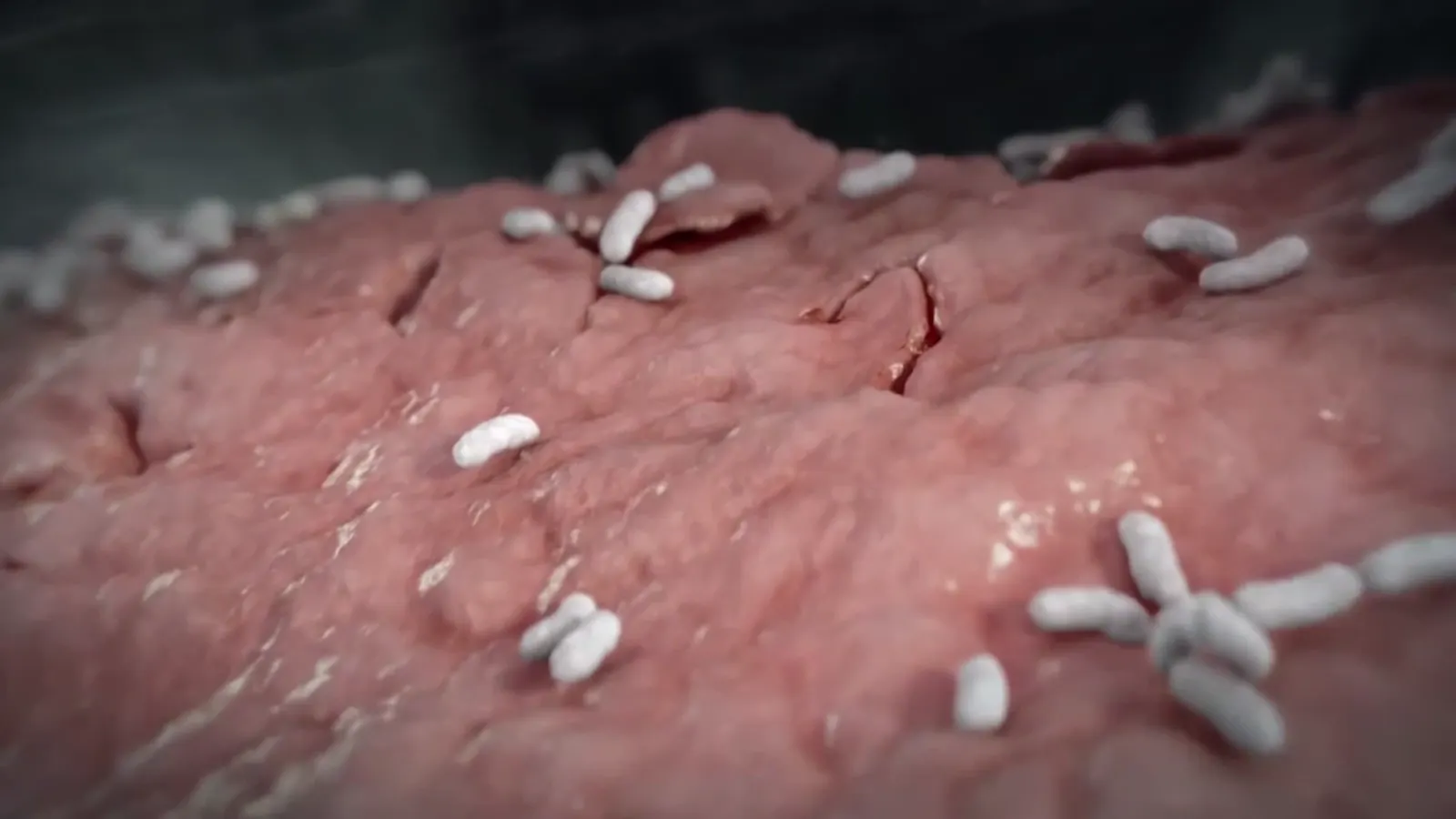
The oral microbiome and periodontitis: what we know, what we are still looking for
Periodontitis is not the work of a single germ. It arises from an imbalance in the bacterial community living beneath the gums, and from an inflammatory response that…
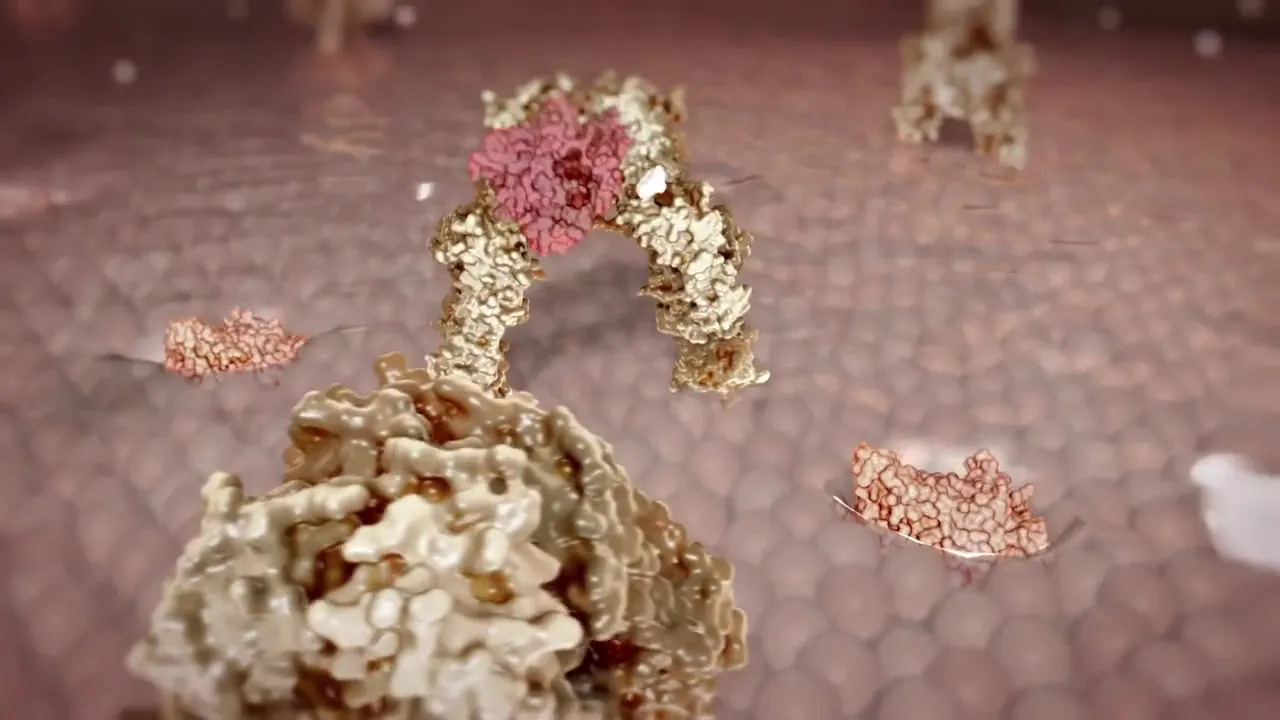
Diabetes and periodontitis: a two-way link, with the figures
Diabetes raises the risk of periodontitis; periodontitis, in turn, makes blood sugar harder to control. No relationship between the mouth and a general disease is better…