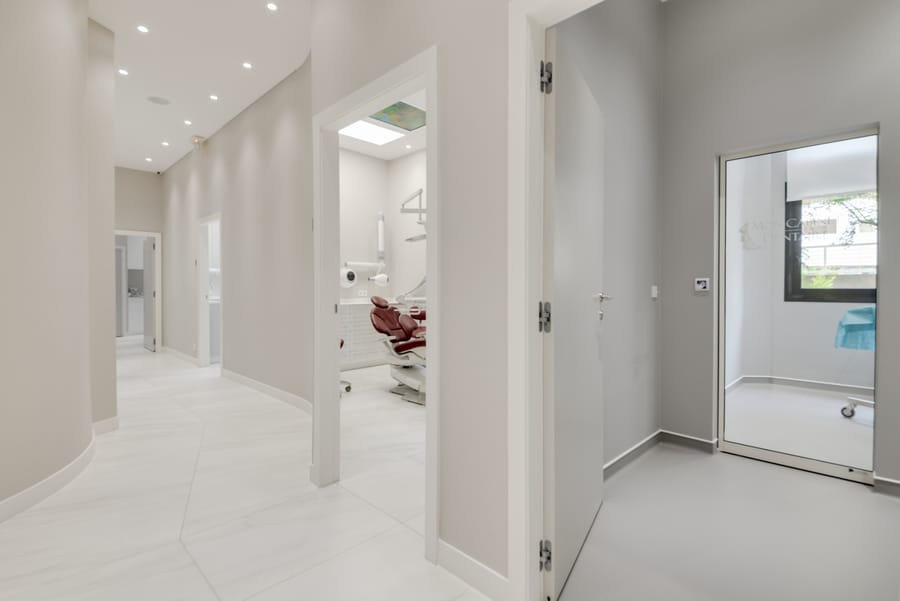
Your first visit
The first appointment is about understanding: the state of your gums and bone, the causes, and the treatment options. It involves no painful treatment and ends with an explanation of the diagnosis and, if treatment is worthwhile, a written estimate. Here is how it goes at Dr Hazout's practice in Levallois-Perret, and what to bring.
Before the visit: what to bring
- Your recent dental X-rays (panoramic, small intraoral films, cone beam scan), on paper, CD or by link; if they are more than a year old or you have none, the necessary images are taken at the practice.
- A list of your medicines or your prescriptions, especially anticoagulants, antiplatelet drugs and treatments for diabetes, osteoporosis (bisphosphonates) or the immune system, and any known allergies.
- Your latest blood tests if you have them, in particular HbA1c if you have diabetes.
- Your carte Vitale (French health insurance card) and, if you have one, your top-up insurance details.
- Your dentist's or doctor's letter if you have been referred, and your regular dentist's contact details.
Do not change any treatment on your own before the appointment. If you smoke, it helps to be able to say since when and how much; if you have diabetes, your latest HbA1c. Note down the questions you want to ask: time for explanations is built into the visit.
How the appointment goes
1. The conversation. What brings you in (bleeding gums, teeth that move or feel loose, receding gums, bad breath, a tooth to replace), since when, and what has already been done. Then your medical history, smoking, diabetes, current medication, any family history of early tooth loss, your cleaning routine and your diet. These elements matter as much as the examination: they determine the risk of progression and how treatment is planned.
2. The clinical examination. The gums are examined tooth by tooth: colour, swelling, bleeding, recession, plaque and tartar, mobility, involvement between the roots of the molars. Depending on the situation, pocket depth and attachment loss are measured at several points around each tooth with a fine instrument graduated in millimetres; this is painless in the vast majority of cases, slightly tender when the gum is very inflamed. Together with X-rays, it confirms periodontitis and determines its stage and grade.
3. X-rays. Depending on the case, a panoramic X-ray, small intraoral films (more precise for reading the bone level) or a 3D scan (cone beam) complete the clinical examination. The images you bring are used first, to avoid unnecessary exposure.
4. Explanations. The diagnosis is explained on your own images, with the possible options, how they work, their limits and their cost. You receive a written estimate for any treatment not fully reimbursed. Nothing starts without your agreement.
What is decided on the day
The consultation is devoted to the assessment; treatment takes place at a dedicated session. By the end of the visit you know whether you have gingivitis, periodontitis and at what stage, or recession without periodontal disease; whether monitoring is enough or treatment is worthwhile; and, if so, how it will be organised.
- the treatment plan: at the practice, initial periodontal treatment covers the whole mouth, all six sextants, in one session, with or without laser depending on the situation (see periodontitis treatment);
- the teeth whose future is uncertain, and how they would be replaced if extraction is preferable;
- any further tests: additional X-rays, a rapid blood test or a bacterial sample, referral to your GP;
- what to do about your medication (anticoagulants, diabetes), decided with your doctor if needed;
- the estimate and, if you wish, the date of the treatment session.
The initial periodontal consultation costs €60. The cost of treatment depends on what is decided; indicative amounts are on the Fees page and the estimate is given before any treatment.
What happens next?
If periodontitis is confirmed, treatment usually begins with non-surgical cleaning of the whole mouth in one session: see periodontitis treatment. A re-evaluation follows once the gums have healed, then regular maintenance, at a frequency that depends on your risk.
If the gum is receding without periodontal disease, the consultation identifies the cause and discusses whether a graft is worthwhile: see gum recession and gum grafts. For an implant, the first appointment checks gum health and bone volume first; planning has its own appointment: see implants and guided surgery.
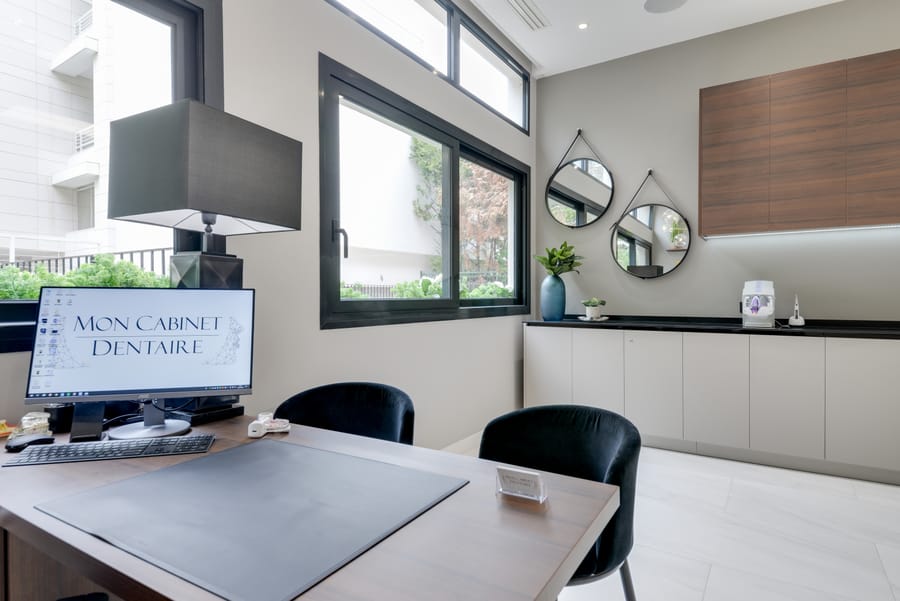
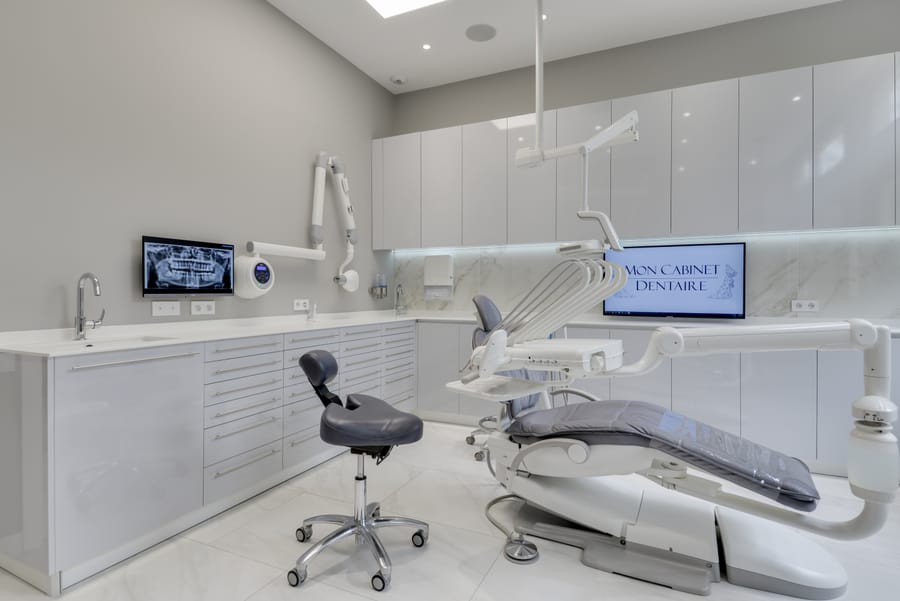
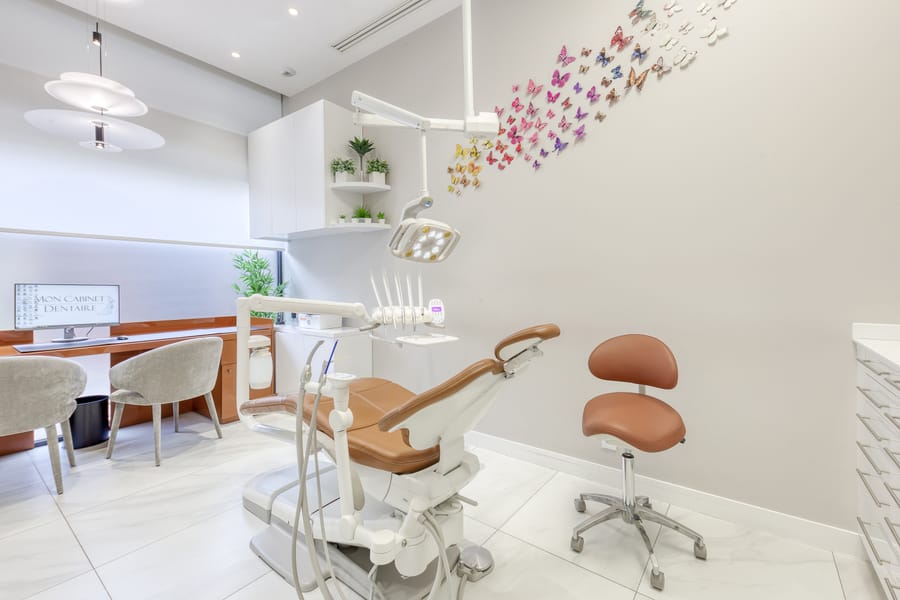
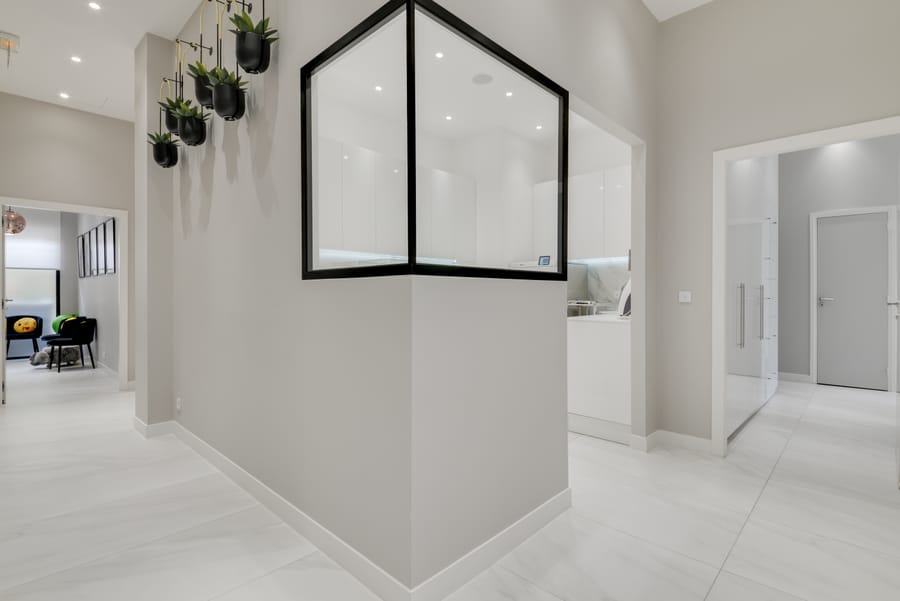
The practice in pictures
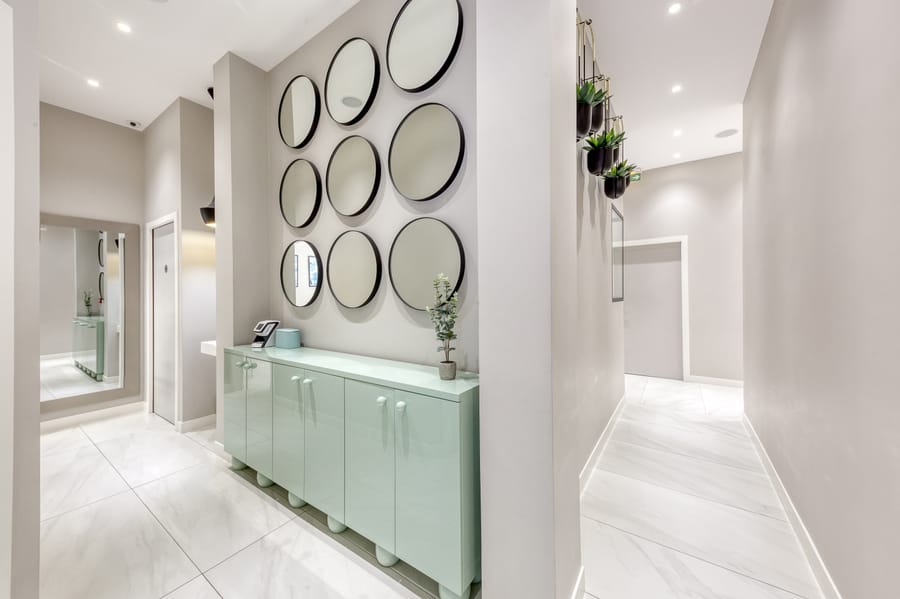
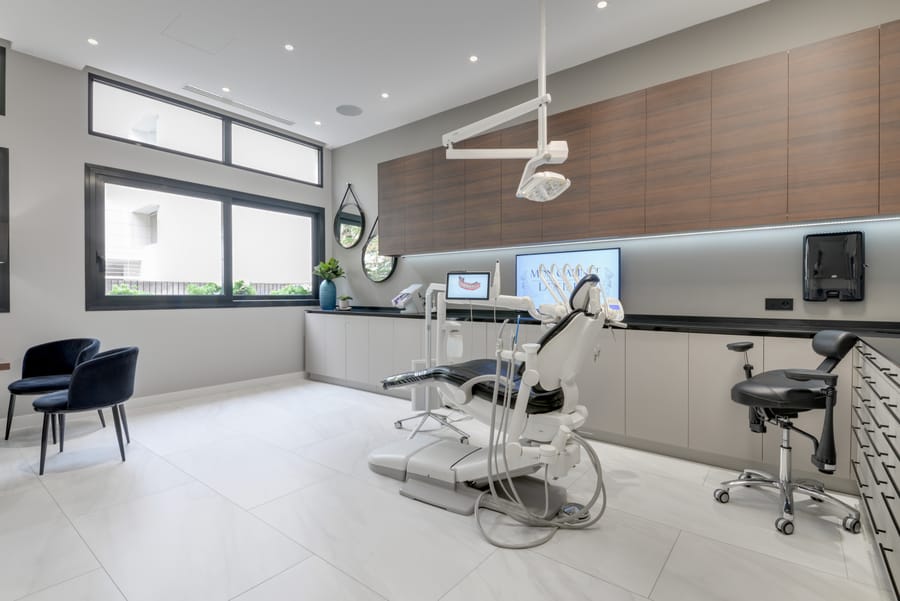
The practice is on a ground floor opening onto a garden. Periodontal care and surgery take place in separate rooms, surgery in a dedicated room.



Frequently asked questions
Is the first appointment painful?
No. When the gum is very inflamed, measuring the pockets can feel a little tender, but it does not need an anaesthetic in the vast majority of cases. No treatment is carried out that day without your agreement.
Can treatment start the same day?
Usually not. The consultation is devoted to the assessment and explanations; full-mouth treatment has its own dedicated session, scheduled separately once the estimate has been given. This leaves you time to think it over and ask your questions.
How much does it cost, and is it reimbursed?
The initial consultation costs €60. Dr Hazout works within the French national health insurance system and the carte Vitale is accepted. The root surface debridement that follows is not reimbursed by national health insurance; your top-up insurer may cover part of it depending on your policy, and the estimate shows what remains for you to pay.
Should I stop my anticoagulants?
No, never stop a treatment on your own. Bring the list of your medicines: if anything needs adjusting, it is decided with your doctor.