Dental implants and bone surgery: the pathway, and who it is for
In periodontics, the first aim is to keep the teeth. When a tooth cannot be saved, an implant is one way of replacing it, on three conditions: enough bone, healthy gums and periodontal disease that is under control. This page explains when an implant is indicated, how the pathway unfolds at Dr Hazout’s practice in Levallois-Perret, what can make it fail, and why gum health decides how long it lasts.
Pages in this section
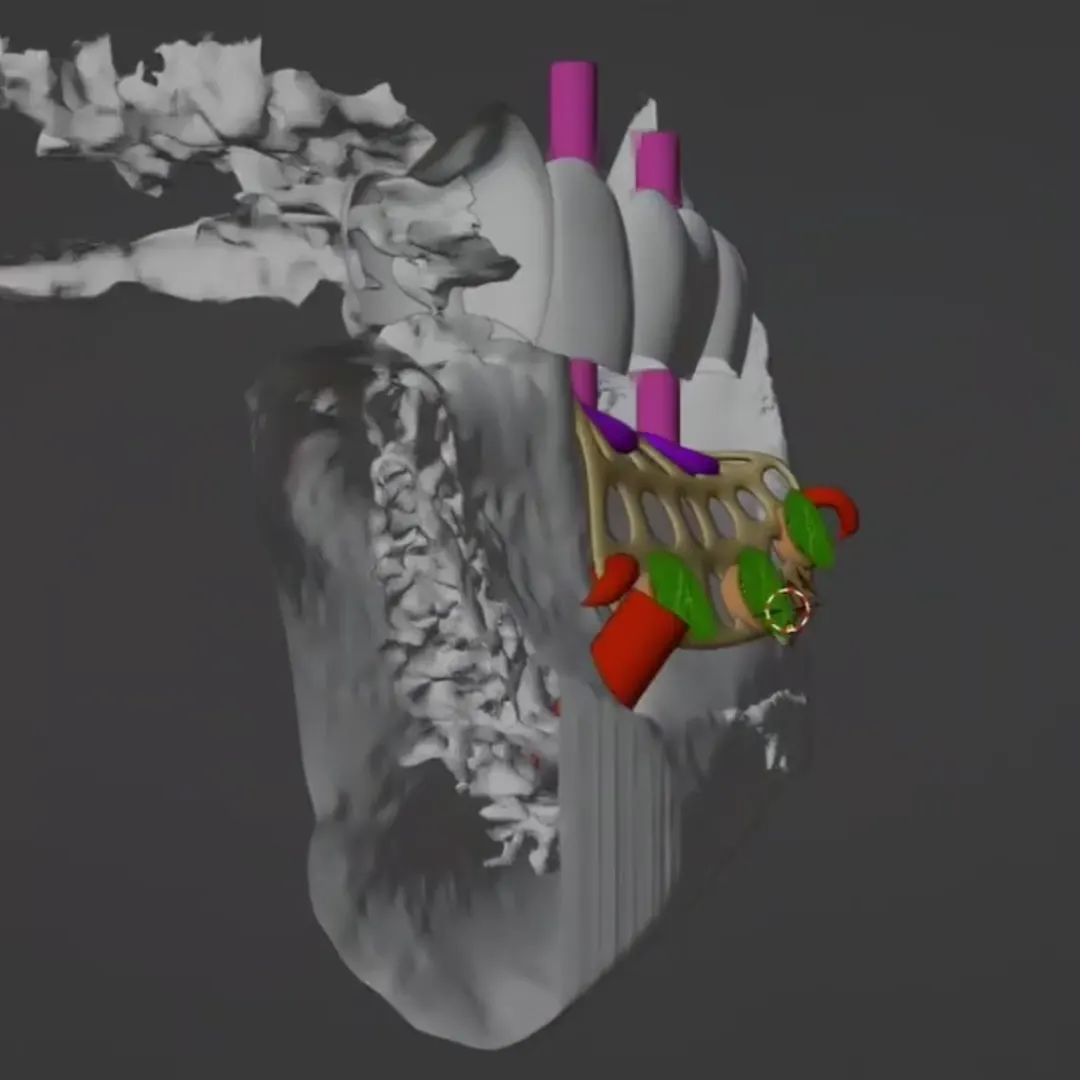
Placing an implant: the steps, and what guided surgery adds
Implant placement is prepared well before the day of surgery. 3D imaging is used to decide where the implant should go; the surgical guide helps reproduce that decision…
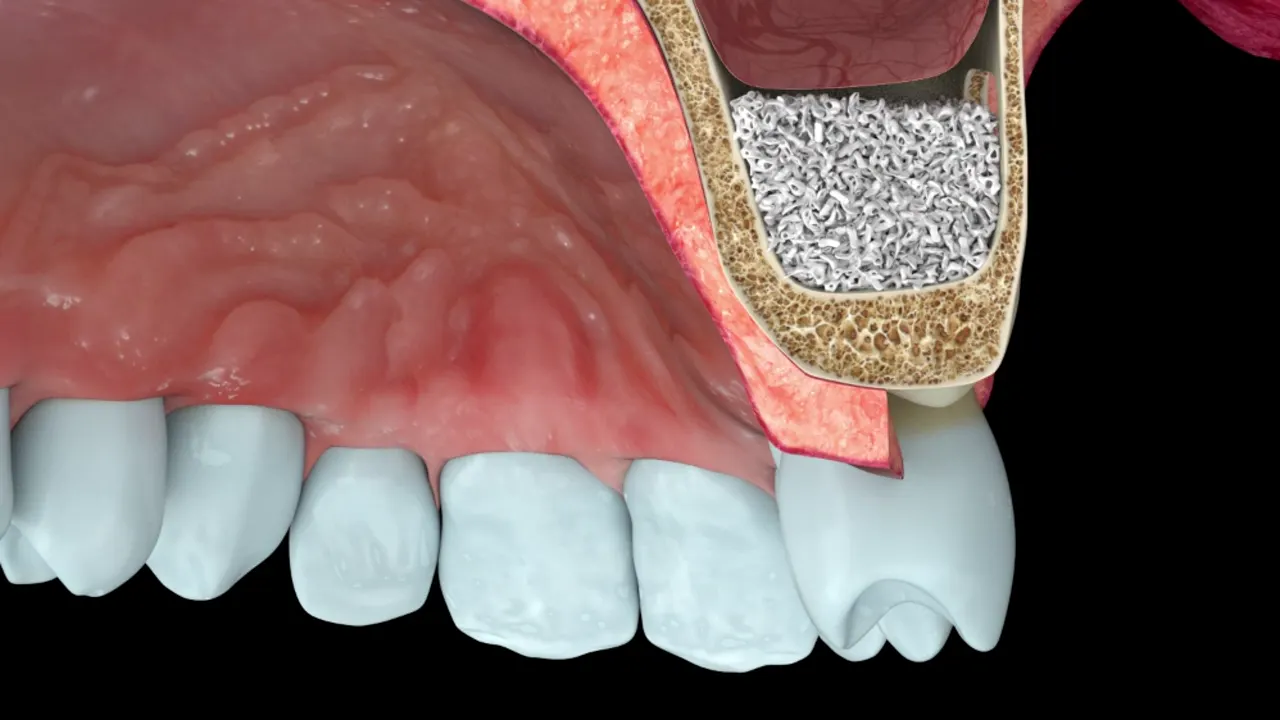
Bone grafting before an implant: when, and which techniques
An implant must be surrounded by bone along its whole length. When bone is lacking, several techniques can rebuild it. They are not equally suited to every situation:…
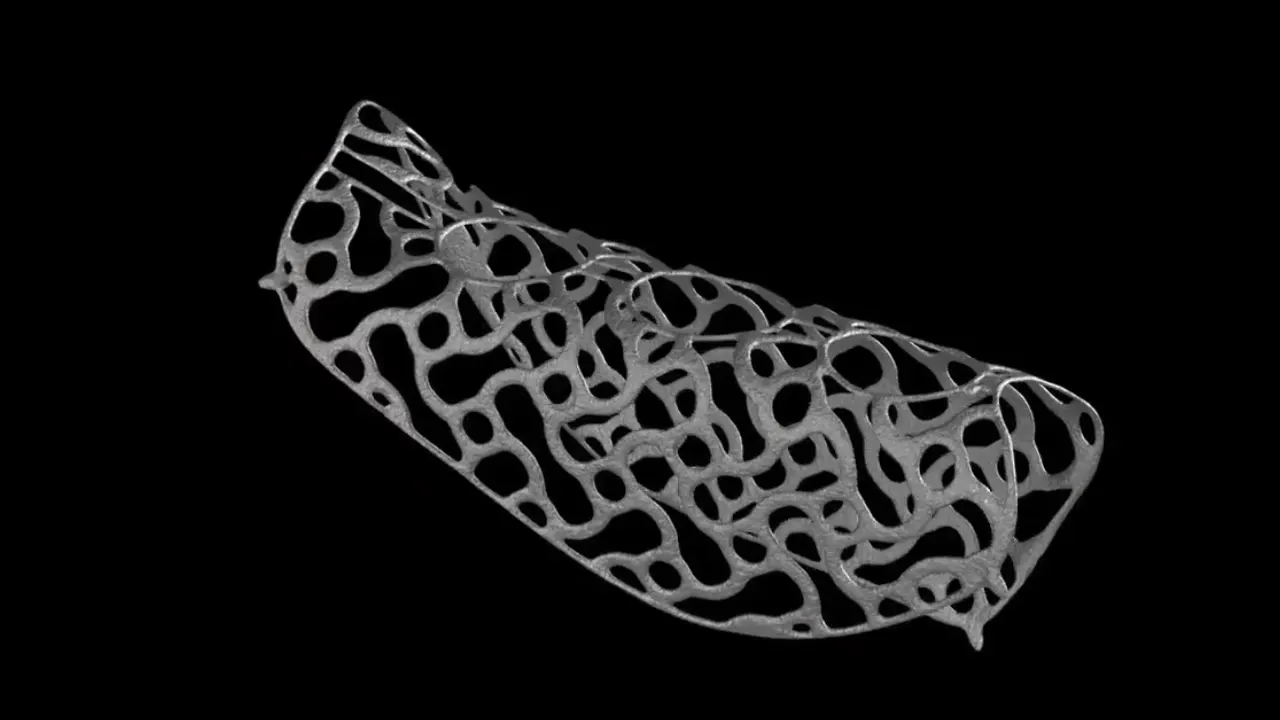
Custom titanium mesh: what it is for and the principle of treatment
When a lot of bone is missing, in height as well as width, the graft material must be held in shape during healing. A custom titanium mesh does this job, like formwork.…
Why is a tooth lost, and when is an implant indicated?
In adults, the causes of tooth loss are few. Periodontitis, a chronic infection of the tissues that hold the tooth, progressively destroys bone and ligament: the tooth loosens, becomes mobile and eventually cannot be kept. A root fracture, deep decay that has destroyed too much tooth, a failed root canal treatment or trauma also lead to extraction. More rarely, a tooth has been missing since birth.
The decision to extract is never taken lightly. A tooth with weakened support can often be treated, stabilised and kept for years: periodontitis treatment, periodontal regeneration or splinting are considered before an implant is discussed. An implant becomes an indication when the tooth is already missing, or when its prognosis is judged too poor to justify keeping it, and a replacement is wanted for chewing, appearance or the stability of the neighbouring teeth.
Replacing a tooth: what an implant is
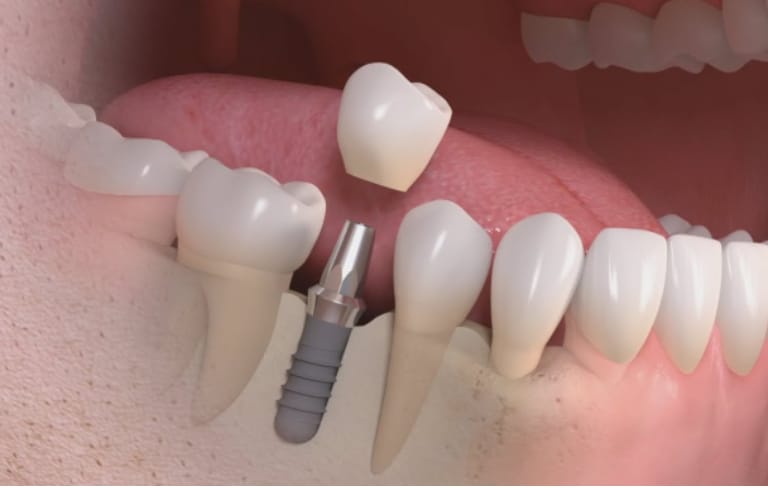
A dental implant is an artificial root, usually made of titanium, placed in the jawbone. During healing, the bone bonds to its surface: this is called osseointegration. The implant can then support a crown or a bridge, or stabilise a removable denture.
An implant is not the only option. A bridge bonded or cemented to the neighbouring teeth, a removable denture, or sometimes leaving the gap are also discussed. The choice depends on the condition of the adjacent teeth, the amount of bone, your general health and your expectations.
What happens when a tooth is not replaced?
After an extraction, the bone that surrounded the root resorbs. A systematic review of human studies reports, six months after extraction, an average loss of about 3.8 mm in width and 1.2 mm in height, most of it occurring in the first three to six months [1].
The opposing tooth may also drift into the gap (supra-eruption). In a retrospective study of 65 patients, supra-eruption was measured in 78% of them, averaging 0.9 mm over about seven months [2]. These movements are often modest, but they can complicate the future restoration. They are not a reason to rush: they are a reason to plan.
Three requirements before placing an implant
- Enough bone in height and width, assessed in three dimensions with a cone beam CT (a dental scanner using a cone-shaped X-ray beam). If bone is lacking, a bone graft may be offered before or at the same time as implant placement.
- Healthy gums around the future implant and the neighbouring teeth, with daily cleaning that is achievable.
- Stable periodontal tissues. The periodontium is the set of tissues that hold the tooth (gum, bone, ligament). Active periodontitis must be treated before an implant is placed.
This last point is central to a periodontist’s approach. A 2024 meta-analysis shows that patients with a history of periodontitis, even treated, have more peri-implantitis (inflammation with bone loss around the implant) and slightly lower implant survival than patients without such a history [3]. These are observational studies: they show an association, not an inevitability. The authors conclude that an implant remains possible if the disease is controlled and stable.
The European (EFP) guideline for stage IV periodontitis includes tooth replacement, with tooth- or implant-supported prostheses, within an overall treatment plan, after the phase that treats the infection [4]. The 2023 EFP guideline on peri-implant diseases states that prevention starts when the implant is planned and continues with regular follow-up [5].
The pathway, step by step
- Full periodontal assessment and examination of the area to be restored.
- Treatment of periodontitis if needed, followed by re-evaluation.
- 3D imaging (cone beam CT) and software planning, starting from the future tooth.
- Bone grafting if the bone volume is insufficient (sometimes at the same time as the implant).
- Implant placement, possibly with a surgical guide.
- Healing, then fitting of the crown.
- Lifelong periodontal and peri-implant maintenance.
The surgical procedures (graft, implant placement) are carried out under local anaesthetic in the practice’s operating room. The crown is then made in coordination with your own dentist when they provide the prosthetic part. The principle of implant placement is described on the page Placing an implant and guided surgery.
Which page should you read?
| Your question | Page to read |
|---|---|
| How is an implant placed? What is guided surgery for? | Implants and guided surgery |
| I have been told there is not enough bone: what techniques exist? | Bone grafts and regeneration |
| I have been told I need a sinus lift (graft below the sinus, upper back jaw) | The sinus lift, on the bone grafts page |
| I have been offered a custom titanium mesh | Custom titanium mesh |
| I have periodontitis or bleeding gums | Periodontitis treatment |
| How do I look after my implants? | Gum care around implants |
Limitations, relative contraindications and possible failures
There are few absolute contraindications to implants, but several situations raise the risk of failure and are discussed before a decision is made. Smoking is associated with more failures and more bone loss around implants. Poorly controlled diabetes is associated with more peri-implantitis, whereas well-controlled diabetes gives results comparable to those of people without diabetes. Unstable periodontitis means placement is postponed. Certain treatments (high-dose antiresorptive bone medication, head and neck radiotherapy) and an unstable general condition call for a joint opinion with your doctor. These factors, and the studies that document them, are detailed on the page about implant placement.
An implant can fail in two ways. Early failure occurs in the first months: the bone does not bond to the implant, which becomes mobile and must be removed; a new placement is often possible after healing. Late failure occurs years later, most often through peri-implantitis: an infection of the tissues around the implant, comparable to periodontitis, that destroys the supporting bone. It is more common in people who have had periodontitis, in smokers and when regular follow-up is lacking. It is not always noticeable: an implant can lose bone without pain, which is why check-ups matter.
Lifespan and follow-up: the gums decide
A meta-analysis of 18 studies estimates ten-year implant survival at 96.4%; a more conservative sensitivity analysis gives 93.2%, with lower survival in people aged 65 and over [6]. Survival does not mean freedom from complications: an implant that is still in place can develop peri-implantitis. This is why follow-up matters as much as surgery.
This follow-up takes the form of periodontal maintenance visits whose frequency depends on your level of risk: checking the gums around teeth and implants, measuring pocket depth, professional cleaning, and X-rays at regular intervals to monitor the bone. Between visits, daily cleaning around the implants (interdental brushes, careful brushing at the neck of the crown) is the first line of protection. The article Gum care around implants details these habits and explains mucositis and peri-implantitis.
Related articles
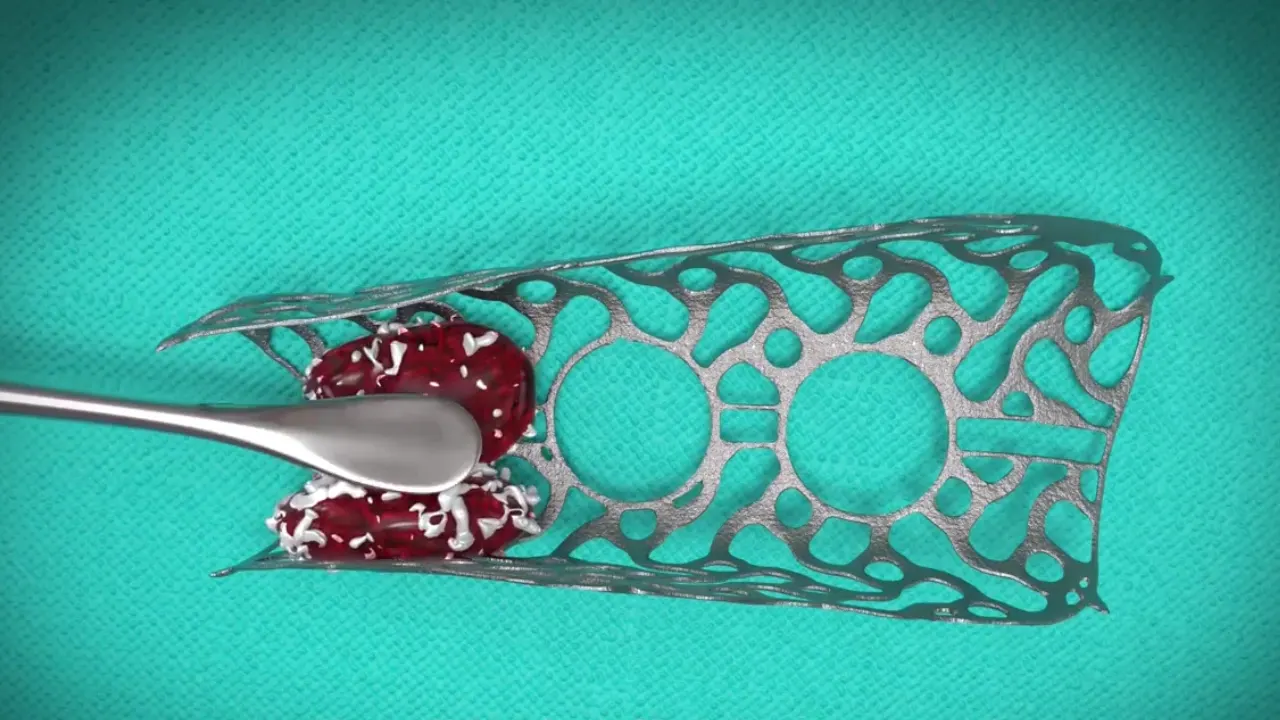
How is a titanium mesh made by 3D printing?
A custom titanium mesh is made as a single piece, for one patient and one bone defect. Between the scan image and the sterile part used in theatre lie a digital workflow…
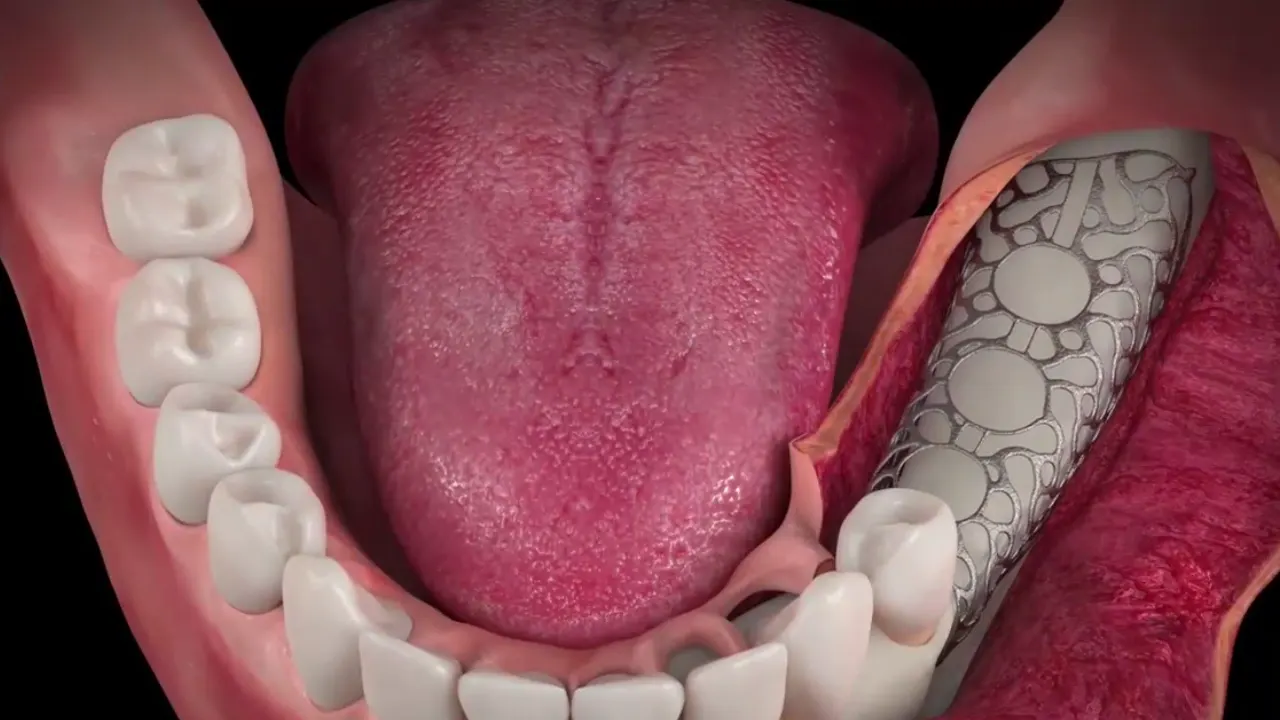
Why plan in 3D before a bone graft and an implant?
A conventional X-ray shows bone from the front, like a shadow. It says nothing about its width. Yet width is often what decides whether an implant can stand on its own,…
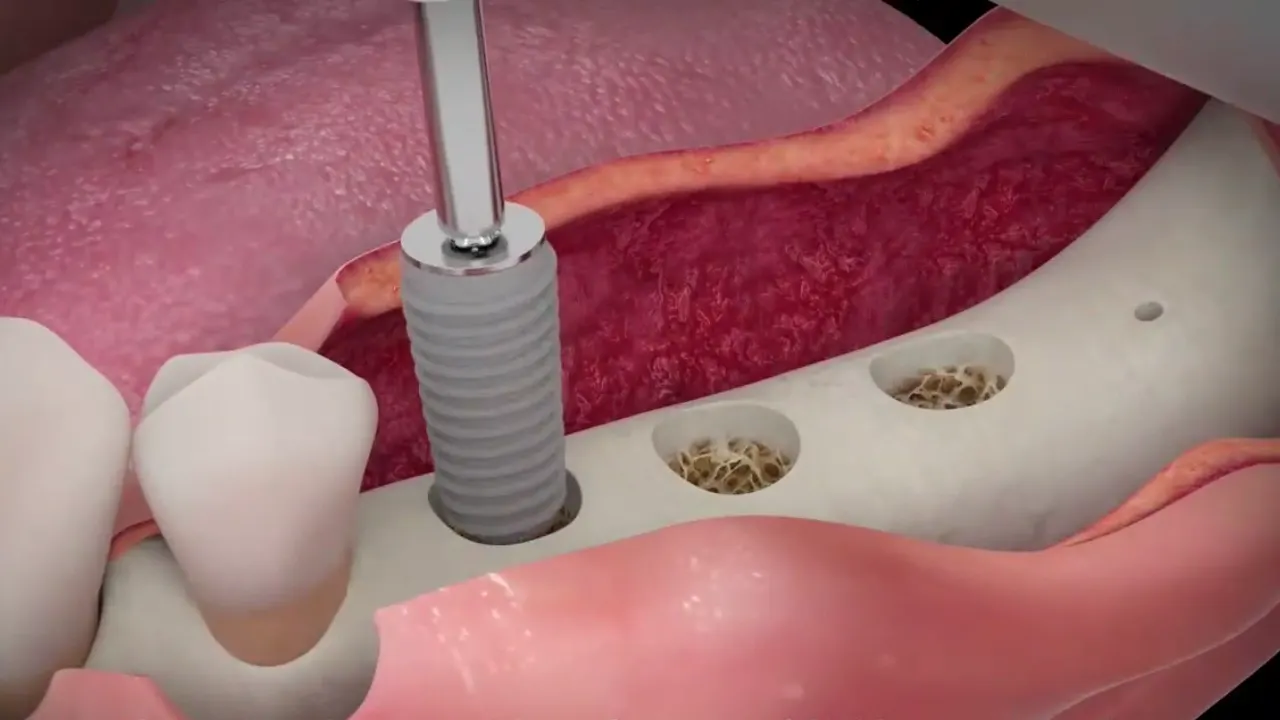
Gum care around implants: preventing peri-implant mucositis and peri-implantitis
An implant cannot decay, but the gum and bone around it can become inflamed and break down, sometimes faster than around a tooth. The two diseases involved, peri-implant…
Frequently asked questions
Can I have an implant if I have had periodontitis?
Generally yes, provided the periodontitis has been treated and is stable before placement, and you then attend regular maintenance. The risk of peri-implantitis remains higher than in people without such a history, which is why this follow-up matters.
Is a bone graft always needed?
No. A graft is only useful when there is not enough bone to place the implant in the right position. The cone beam CT measures this. In some cases a short implant or another type of prosthesis is an alternative worth discussing.
Can an implant get gum disease?
Yes. Mucositis and then peri-implantitis are inflammations of the tissues around the implant, linked in particular to dental plaque. Appropriate cleaning and regular check-ups are the first line of prevention.
What happens if an implant fails?
An implant that does not integrate or that loses its supporting bone is removed. After healing, and sometimes after a graft, a new placement is often possible. The causes of the failure (infection, smoking, overload, hygiene) are looked for so that they are not repeated.
How much does an implant cost?
Fees depend on the number of implants, whether a graft is needed and the type of prosthesis. The ranges charged at the practice are given on the Fees page; a detailed estimate is provided after the assessment.
References
- Tan WL, Wong TL, Wong MC, Lang NP. A systematic review of post-extractional alveolar hard and soft tissue dimensional changes in humans. Clin Oral Implants Res. 2012;23 Suppl 5:1-21. DOI
- Lee BA, Kim B, Kim YT. Supraeruption as a consideration for implant restoration. J Periodontal Implant Sci. 2020;50(4):260-267. DOI
- Marty L, Hoornaert A, Enkel B, Penhoat A, Colat-Parros J, Soueidan A, Jordana F. Implant Health in Treated Periodontitis Patients: A Systematic Review and Meta-Analysis. Dent J (Basel). 2024;12(8):240. DOI
- Herrera D, Sanz M, Kebschull M, Jepsen S, Sculean A, Berglundh T, Papapanou PN, Chapple I, Tonetti MS. Treatment of stage IV periodontitis: The EFP S3 level clinical practice guideline. J Clin Periodontol. 2022;49 Suppl 24:4-71. DOI
- Herrera D, Berglundh T, Schwarz F, Chapple I, Jepsen S, Sculean A, Kebschull M, Papapanou PN, Tonetti MS, Sanz M; EFP Workshop Participants and Methodological Consultant. Prevention and treatment of peri-implant diseases—The EFP S3 level clinical practice guideline. J Clin Periodontol. 2023;50 Suppl 26:4-76. DOI
- Howe MS, Keys W, Richards D. Long-term (10-year) dental implant survival: A systematic review and sensitivity meta-analysis. J Dent. 2019;84:9-21. DOI
Patient pathway