Periodontology: what a periodontist does and the warning signs to look out for
Periodontology, also called periodontics, deals with the tissues that hold the teeth in place: the gum, the bone around the roots and the ligament that connects them. Their diseases, gingivitis and then periodontitis, often progress painlessly for years. This page, written by Dr Victor Hazout, a periodontist in Levallois-Perret, explains what a periodontist does, what patients mean by “receding” or “loosening” teeth, which signs warrant an examination and which page to read next depending on your situation.
Pages in this section
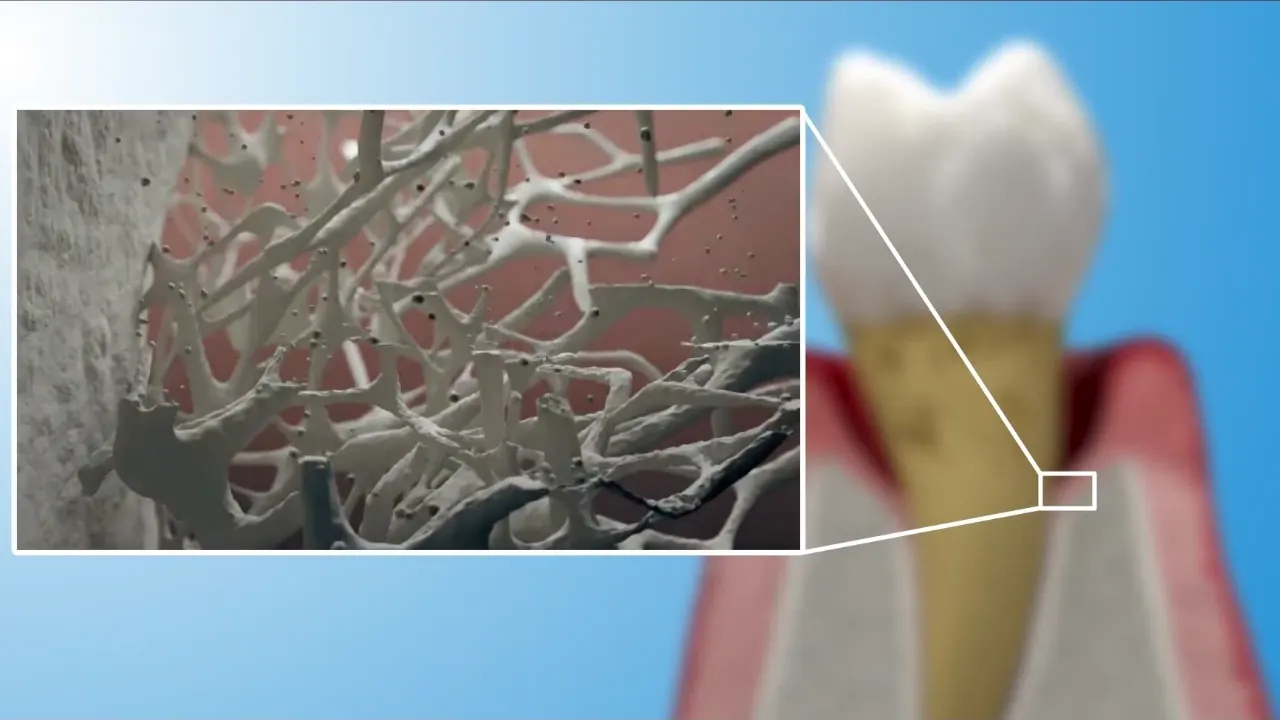
How periodontitis is treated: from assessment to stability
Treating periodontitis is more than a “deep clean”. It starts with a precise assessment, follows the steps defined by the 2020 European guideline and is judged on…
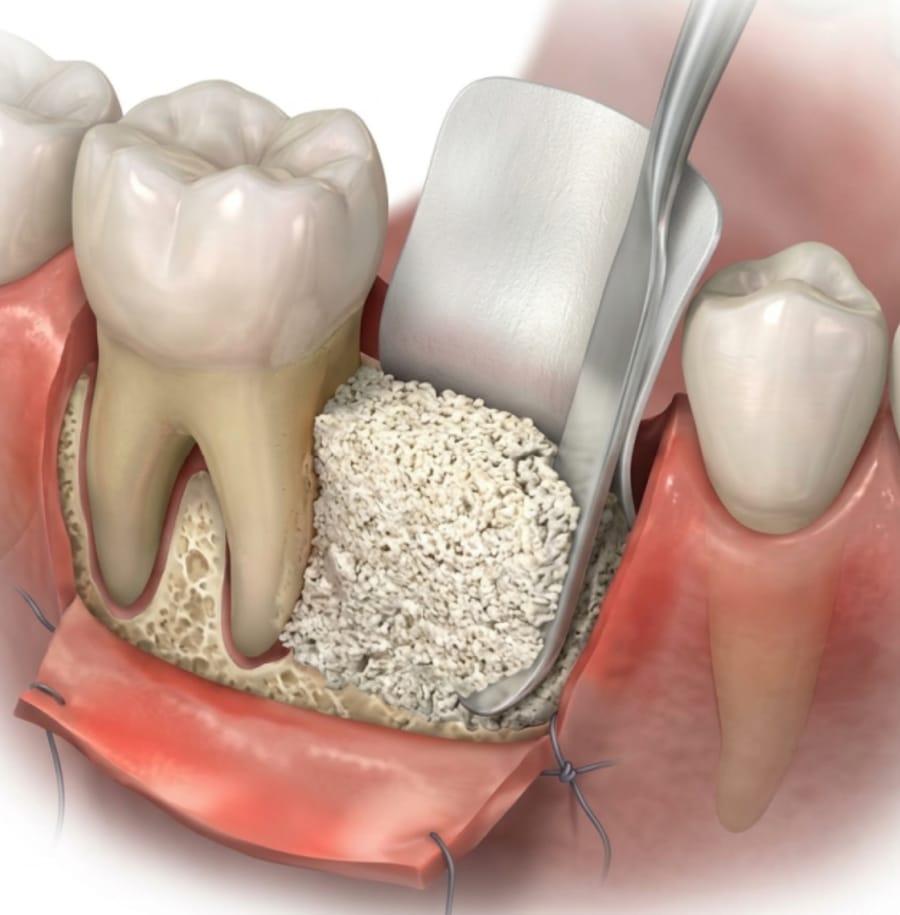
Periodontal regeneration: rebuilding part of the lost support
After initial treatment, a deep pocket may persist where the bone has been hollowed out along a root. In some of these situations, regenerative surgery can rebuild part…
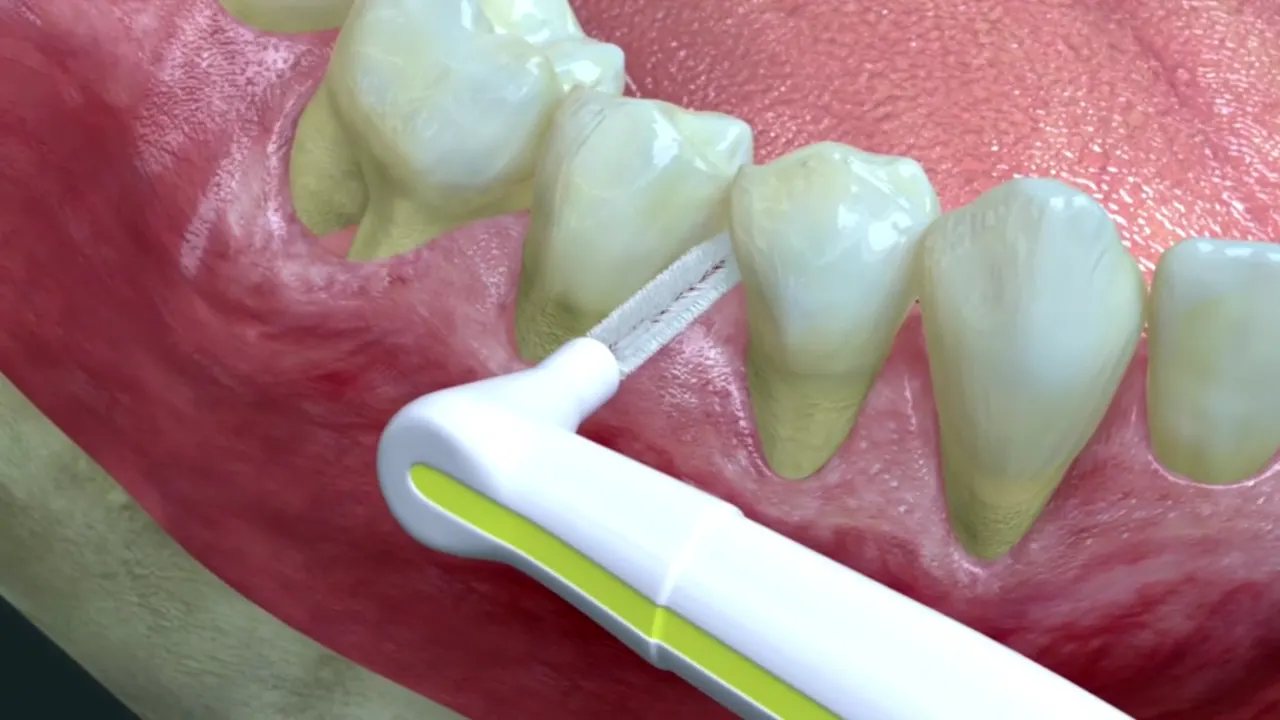
Periodontal maintenance: keeping results over time
Once the pockets have been treated, treatment is not over: it changes pace. Maintenance, or supportive periodontal care, aims to detect any return of the disease early…
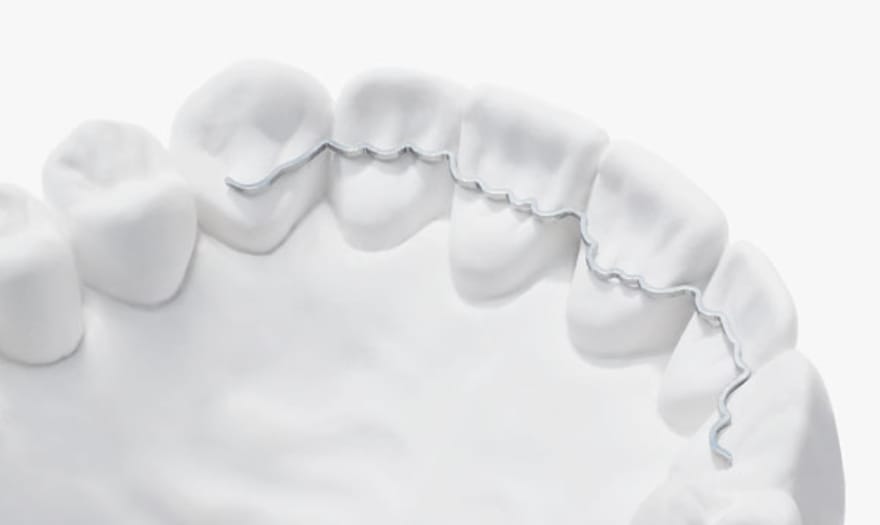
Periodontal splinting: stabilising loose teeth
After advanced periodontitis, some teeth stay uncomfortably loose even when the gums are healthy again. A bonded splint joins them together so that chewing is more…
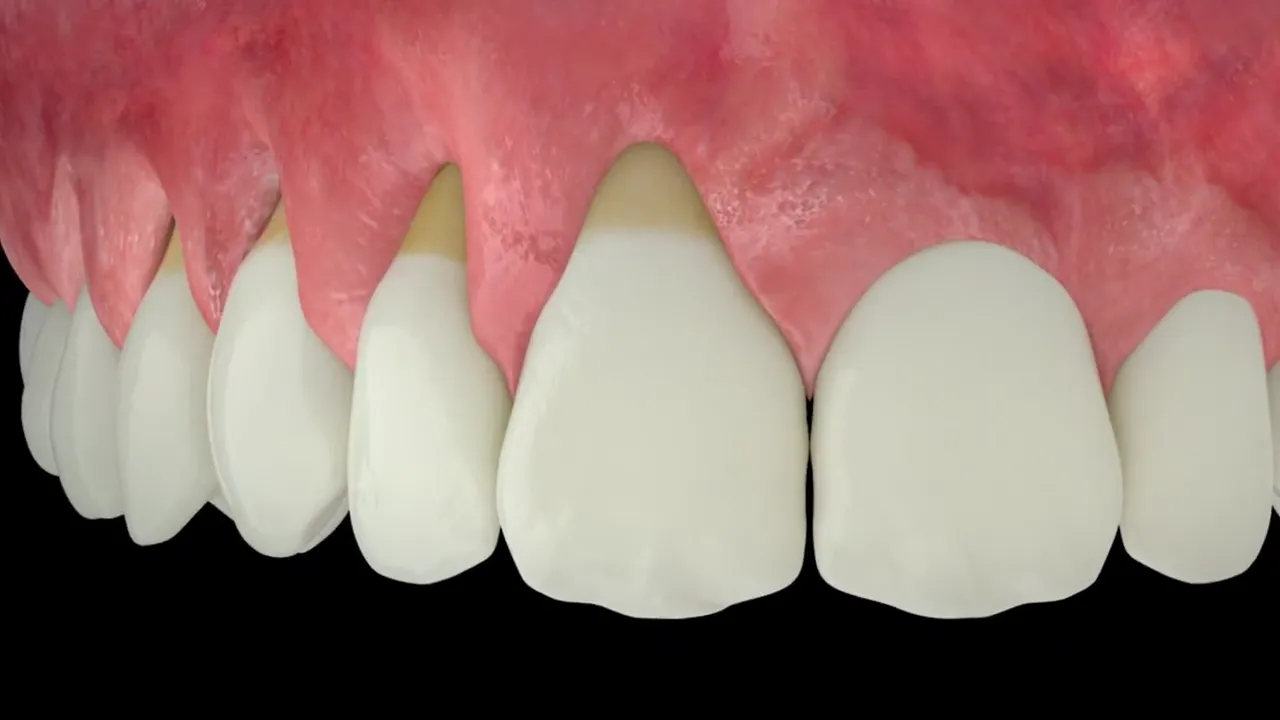
Gum recession: when is a gum graft worthwhile?
Receding gums do not always call for a graft. The decision depends on the cause, the bone between the teeth, the thickness of the gum and what bothers you. This page…
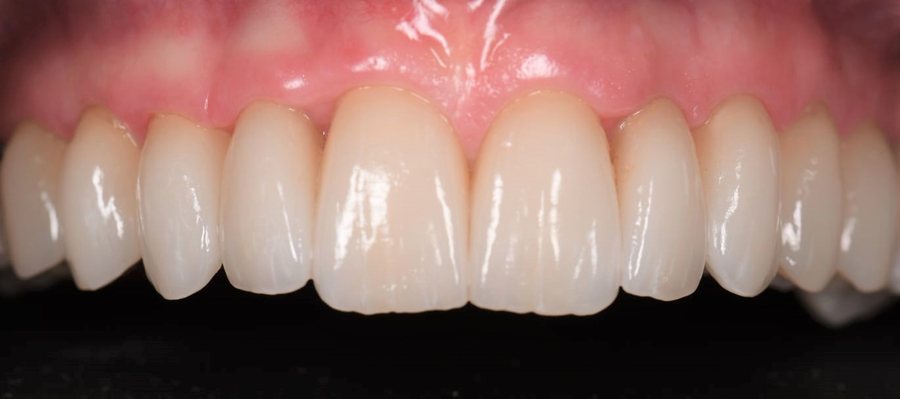
Gum aesthetics: the gum frames the smile
A balanced smile does not depend only on the shape and colour of the teeth. The gum draws their outline: its height, how even it is from tooth to tooth and the papillae…
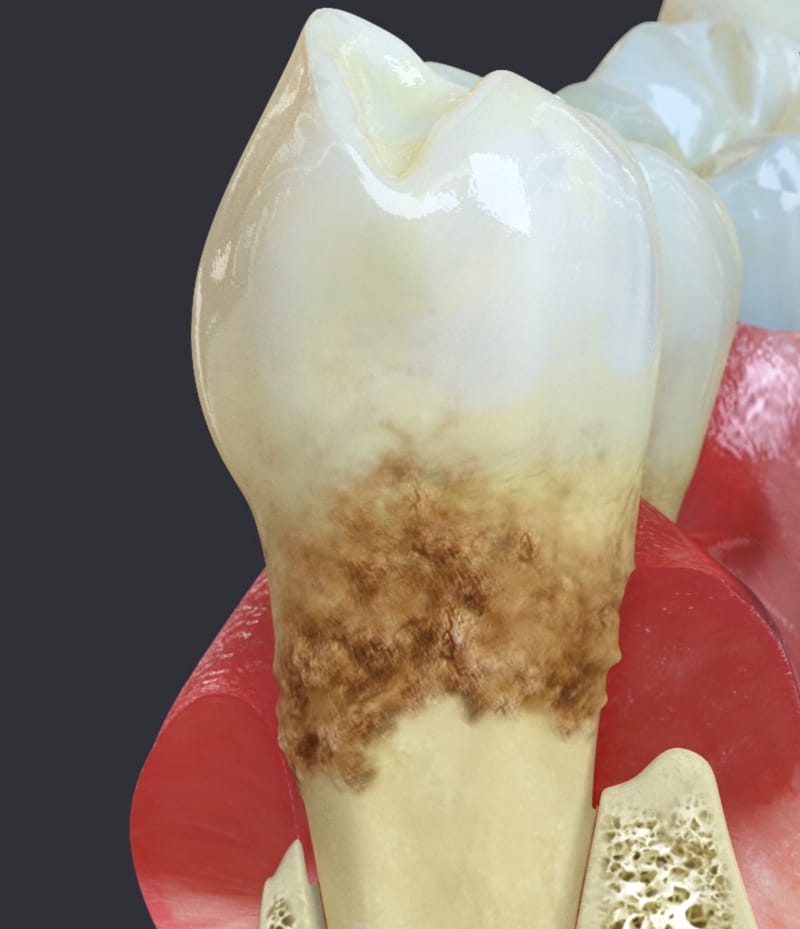
Root planing in 35 seconds
Root planing, or root surface debridement, is the central step in treating periodontitis: cleaning the roots below the gum, where tartar and bacteria lodge out of reach…
The periodontium: gum, bone and ligament
A tooth is not simply planted in bone. It is suspended in its socket by a ligament made of thousands of fibres, surrounded by alveolar bone and covered by the gum (gingiva). Together these form the periodontium (from the Greek for “around the tooth”). A healthy periodontium shows a pink, firm gum that follows the outline of the teeth and does not bleed when you brush.
Periodontology, also known as periodontics, is the branch of dentistry that studies these tissues, their diseases and their treatment. A periodontist is a dentist who has completed university training in periodontology after qualifying and devotes all or part of their practice to this care. Dr Victor Hazout holds a CES (certificate of advanced study) in periodontology (Paris 7, 2015) and a university diploma in clinical periodontics (Paris Descartes, 2016); his practice centres on periodontology, oral surgery and implant dentistry.
Gingivitis and periodontitis: two stages of the same inflammation
Gingivitis is inflammation of the gum caused by dental plaque, the film of bacteria that re-forms on the teeth every day. Its first sign is bleeding gums, when brushing, flossing or using interdental brushes, sometimes spontaneously; the gum is red, slightly swollen and rarely painful. Gingivitis is reversible: the gum returns to health once plaque is properly removed. The 2018 international consensus describes it as a major risk factor for, and a necessary precursor of, periodontitis [1].
Periodontitis goes further: the inflammation gradually destroys the ligament and the bone. Periodontal pockets form between the gum and the root, out of reach of the toothbrush. This loss of support does not grow back on its own. Left untreated, it can lead to loose teeth and eventually tooth loss [2]. Severe periodontitis affected about 11% of the world's population in 2010, according to a large systematic review [3].
There is no visible boundary between the two: only a gum examination, with pocket depth measurements and X-rays, can tell whether the bone is affected. Symptoms, risk factors and how the diagnosis is made are covered in the article Understanding periodontitis.
“Receding” and “loosening” teeth: what patients describe
“My teeth are loosening” or “my gums are receding” are among the most frequent remarks at a first consultation. These words are not a diagnosis but a description: the gum has pulled back, part of the root is exposed, the teeth look longer, sometimes dark gaps appear between them or a tooth moves. Two very different situations can lie behind them.
Gum recession: the gum moves down the root without the bone between the teeth being affected. It often involves one or a few teeth, in people with thin gums, after heavy brushing, orthodontic treatment or because of a frenum pulling on the gum. The tooth remains stable; the main complaints are sensitivity to cold and appearance. A gum graft can cover the root in a number of cases: see Gum recession and gum grafts.
Periodontitis: the gum recedes because the bone that supported it has been destroyed by inflammation. Recession is then generalised or affects several areas, and it comes with bleeding, pockets and, at an advanced stage, mobility. The priority is not to cover the roots but to stop the bone loss: see How periodontitis is treated.
When should you see a periodontist?
None of these signs makes a diagnosis on its own. But if they are present, particularly for more than two weeks despite careful brushing, a periodontal examination is warranted:
- gums that bleed when you brush or floss, or spontaneously;
- red, swollen or tender gums;
- persistent bad breath or a bad taste;
- receding gums, teeth that look “longer”;
- new gaps between teeth, teeth that move or drift;
- sensitivity to cold at the neck of the teeth;
- a gum abscess (swelling, sometimes with pus).
Some situations also justify an assessment even without symptoms: a close relative who lost teeth at a young age, diabetes, smoking, or plans for implants or adult orthodontics. In a meta-analysis, smoking was associated with an approximately 85% higher risk of developing or worsening periodontitis [5]. Your general dentist may also refer you after measuring pockets or noticing bone loss on an X-ray.
What the periodontist does
The management of periodontitis follows a stepwise approach, set out in the European Federation of Periodontology (EFP) clinical practice guideline published in 2020 [4]:
| Step | Aim | Page to read |
|---|---|---|
| Assessment | Measure pockets, attachment loss and bone; establish a diagnosis (stage and grade) | Periodontitis treatment |
| Active treatment | Control plaque and risk factors, clean the roots below the gum line, operate if deep pockets persist | Periodontitis treatment |
| Maintenance | Keep results stable with regular visits tailored to risk | Periodontal maintenance |
| Mucogingival surgery | Treat receding gums (recession) | Gum recession and grafts |
Depending on the situation, other treatments are added. Periodontal regenerative surgery can rebuild part of the lost support in some bone defects. A bonded splint stabilises teeth that remain loose once inflammation is under control. Correcting a gum line that is too visible or uneven comes under gum aesthetics.
A periodontist also works around implants: preventing and treating peri-implant mucositis and peri-implantitis (see Gum care around implants), and preparing the tissues before implant placement (see Implants).
The practice has a diode laser and an Er:YAG laser. They complement the mechanical cleaning of the roots in some situations and are mainly used in soft-tissue surgery; they do not replace root surface debridement. Their real value, their limits and the position of the guidelines are presented on the page Diode and Er:YAG lasers in periodontology.
Prevention is as much a part of periodontology as treatment: learning to clean between the teeth, stopping smoking, controlling diabetes and understanding the role of diet in inflammation (see the article Nutrition, micronutrition and periodontal inflammation).
What to expect from a first visit
The first consultation at the Levallois-Perret practice is about understanding your situation: medical history, medication, smoking, diabetes, family dental history. The periodontist then examines the gums, reviews X-rays and, if needed, measures pocket depth around the teeth. You will be given an explanation of the diagnosis, the options and what each involves. What to bring and what is decided there are set out on the First visit page.
Related articles
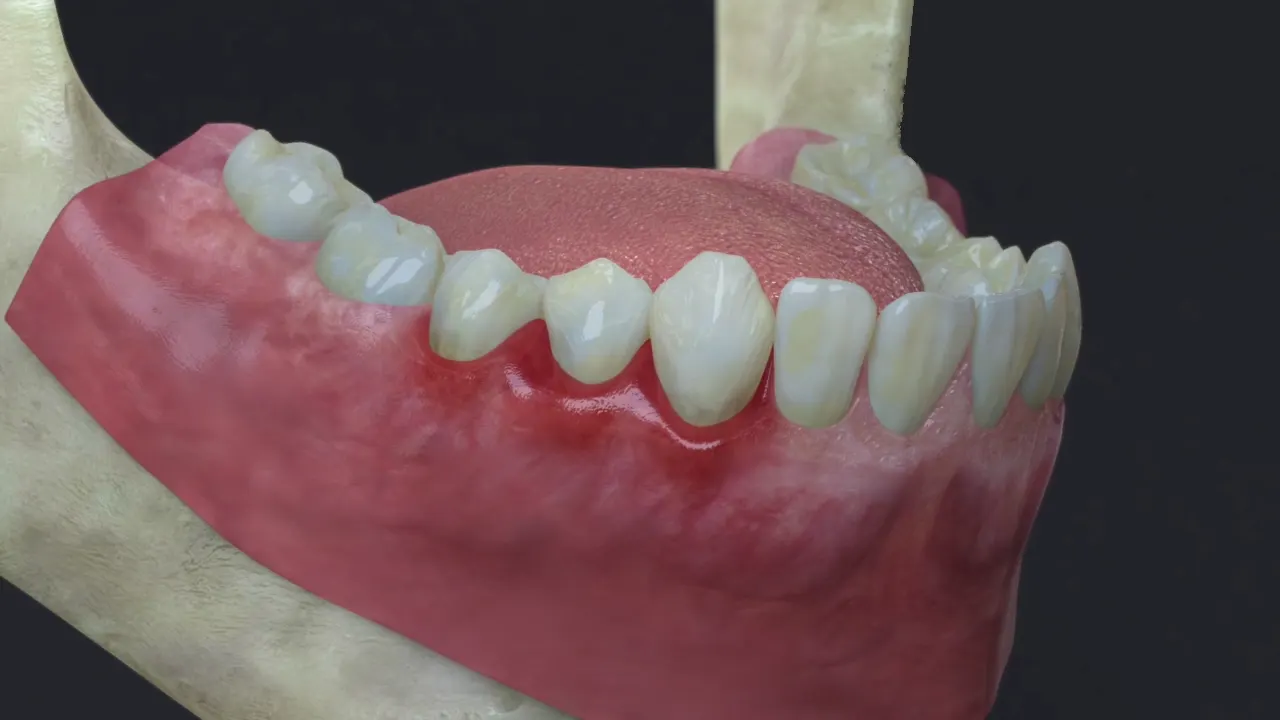
Understanding periodontitis: recognising the signs and how it is diagnosed
Periodontitis is one of the most common chronic diseases, and one of the least noticed. It often progresses without pain, and its first signs look like merely irritated…
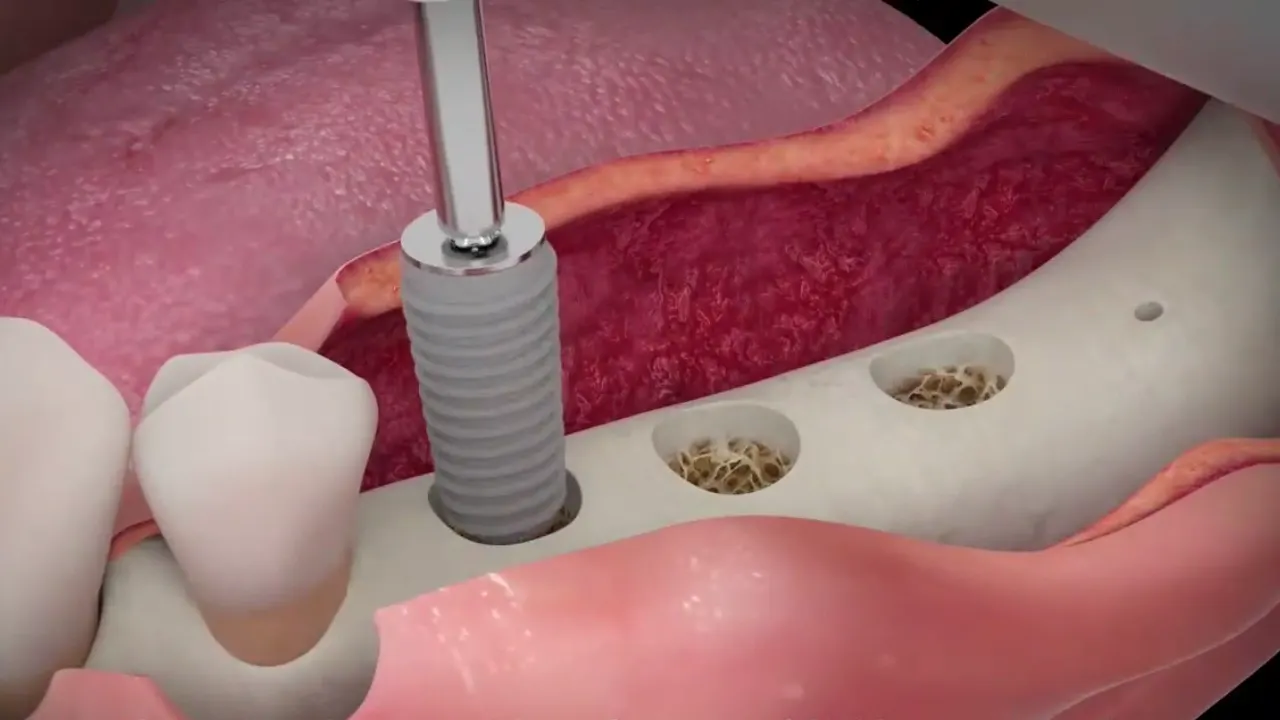
Gum care around implants: preventing peri-implant mucositis and peri-implantitis
An implant cannot decay, but the gum and bone around it can become inflamed and break down, sometimes faster than around a tooth. The two diseases involved, peri-implant…
Frequently asked questions
Periodontics and periodontology: are they the same thing?
Yes. Both words refer to the same discipline: “periodontology” is the academic term, “periodontics” is more common among clinicians and patients. The periodontist is the dentist who practises it.
Do I need a referral from my dentist to see a periodontist?
No. You can book directly. If your dentist refers you, it helps to bring recent X-rays and the referral letter.
My gums bleed a little. Is it serious?
Bleeding almost always signals inflammation. Most often it is gingivitis, which is reversible with more careful oral hygiene. If it persists despite attentive brushing, an examination will check whether there are pockets or bone loss.
Can receding or loosening teeth be reversed?
Lost gum and bone do not grow back on their own. The progression can, however, be stopped by treating the cause, some roots can be covered with a gum graft and, in some bone defects, part of the support can be rebuilt by regenerative surgery. The outcome depends on the shape of the loss and on how early it is treated.
Does smoking hide the signs of gum disease?
Partly, yes. Smoking reduces blood flow in the gum, which bleeds less despite inflammation. A smoker can therefore have advanced periodontitis without noticeable bleeding.
Is periodontitis contagious?
Oral bacteria are passed between people who live together, but the disease depends mainly on the body's response, oral hygiene and factors such as smoking or diabetes. It is therefore not considered contagious in the usual sense. A family history, however, is a good reason to be checked.
References
- Chapple ILC, Mealey BL, Van Dyke TE, et al. Periodontal health and gingival diseases and conditions on an intact and a reduced periodontium: Consensus report of workgroup 1 of the 2017 World Workshop on the Classification of Periodontal and Peri-Implant Diseases and Conditions. J Clin Periodontol. 2018;45 Suppl 20:S68-S77. DOI
- Papapanou PN, Sanz M, et al. Periodontitis: Consensus report of workgroup 2 of the 2017 World Workshop on the Classification of Periodontal and Peri-Implant Diseases and Conditions. J Clin Periodontol. 2018;45 Suppl 20:S162-S170. DOI
- Kassebaum NJ, Bernabé E, Dahiya M, Bhandari B, Murray CJL, Marcenes W. Global burden of severe periodontitis in 1990-2010: a systematic review and meta-regression. J Dent Res. 2014;93(11):1045-1053. PubMed
- Sanz M, Herrera D, Kebschull M, et al. Treatment of stage I-III periodontitis-The EFP S3 level clinical practice guideline. J Clin Periodontol. 2020;47 Suppl 22:4-60. PubMed
- Leite FRM, Nascimento GG, Scheutz F, López R. Effect of smoking on periodontitis: a systematic review and meta-regression. Am J Prev Med. 2018;54(6):831-841. PubMed
Patient pathway