Understanding periodontitis: recognising the signs and how it is diagnosed
Periodontitis is one of the most common chronic diseases, and one of the least noticed. It often progresses without pain, and its first signs look like merely irritated gums: gums that bleed when brushing and, later, receding gums and teeth that seem to loosen. This article explains how to tell it apart from gingivitis, which signs and risk factors should alert you, what “receding gums” really covers and how the diagnosis is made.
Key points
- Gingivitis is reversible inflammation of the gum; periodontitis destroys the attachment and bone that support the teeth, which patients often describe as receding or loosening teeth.
- The disease is often silent: no pain, bleeding masked in smokers, slow progression over years.
- Smoking, poorly controlled diabetes and a family predisposition are well-documented risk factors; stress is associated less clearly.
- Severe periodontitis affects about one person in ten worldwide.
- Only a full periodontal examination, clinical and radiographic, can establish the diagnosis, classify it by stage and grade and guide treatment.
Gingivitis or periodontitis: where is the line?
It all starts with dental plaque, an organised film of bacteria (a biofilm) that constantly re-forms on the tooth surface. When it builds up along the gum line, the body responds with inflammation: this is gingivitis. The gum becomes red, swollen and bleeds easily. At this stage nothing is lost: when plaque is removed regularly, the gum returns to health.
The 2018 international consensus stresses that gingivitis is a major risk factor for, and a necessary precursor of, periodontitis [1]. Not every case of gingivitis progresses to periodontitis, but managing gingivitis is considered primary prevention of periodontitis.
We speak of periodontitis when the inflammation has destroyed part of the attachment: the fibres that connect the root to the bone, and then the bone itself. A pocket forms between the gum and the root; plaque lodged there is out of reach of the toothbrush. This loss of attachment and bone is what defines periodontitis in the 2018 international classification [2]; what is lost does not rebuild itself.
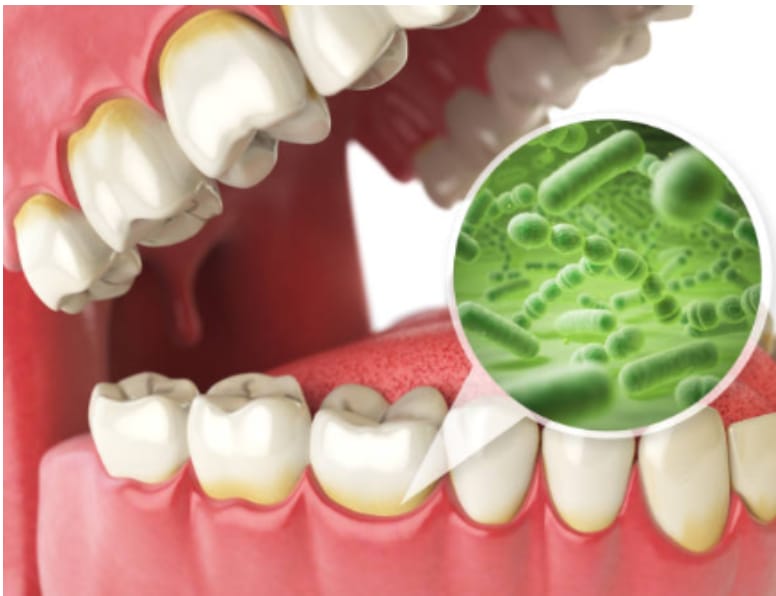
Gingivitis can be cured
Gingivitis is the only fully reversible stage. A professional clean removes plaque and tartar; then suitable brushing and daily cleaning between the teeth let the gum become firm and pink again within a few weeks. Bleeding is the most reliable indicator: when it stops, the inflammation has settled.
If bleeding persists despite careful hygiene, a periodontal assessment checks that it is not already periodontitis.
Why the disease goes unnoticed
Several reasons explain why periodontitis is often discovered late:
- It rarely hurts. Chronic gum inflammation causes little pain, except when an abscess forms.
- Bleeding is dismissed. Many people think it is normal for gums to bleed a little when brushing.
- Smoking masks the signs. It reduces blood flow in the gum, which bleeds less despite the disease.
- It progresses slowly, often in phases, and teeth stay firm until an advanced stage.
- It first affects areas that are hard to see: between the teeth and at the back of the mouth.
The landmark review of the global burden of the disease found a steep rise in the prevalence of severe periodontitis between the third and fourth decades of life, with a peak in onset around the age of 38 [3]. Screening is therefore often most useful in adults who have no symptoms yet.
Warning signs
“My gums bleed when I brush” is the most frequent reason for consulting, and the one most often played down. Healthy gum does not bleed, even under vigorous brushing or flossing. The following signs, alone or combined, should lead to an examination:
- gums that bleed when brushing, flossing or using interdental brushes, or spontaneously;
- red, swollen, tender gums;
- persistent bad breath or a bad taste;
- receding gums, teeth that look longer: what is commonly called receding or “loosening” teeth;
- sensitivity to cold at the neck of the teeth;
- gaps opening between teeth, teeth that drift or flare forward;
- loose teeth, a feeling that your bite has changed;
- a gum abscess: localised swelling, sometimes with pus.
None of these signs on its own can distinguish gingivitis from periodontitis. If they persist for more than two weeks despite careful brushing, an examination is warranted.
Receding gums and “loose teeth”: what the words cover
Patients speak of receding gums or teeth “coming loose” when the gum moves down the roots, teeth look longer, dark spaces appear between them or a tooth starts to move. The medical term is gum recession when the gum margin itself has moved, and attachment loss when the bone and supporting fibres have gone. In periodontitis the two often go together: the bone resorbs, the gum that covered it follows, and the root becomes exposed.
Not every receding gum is periodontitis, however. Gum can recede on a healthy tooth because of over-vigorous brushing, naturally thin gum or a tooth that sits out of line, without inflammation or a pocket. Only an examination tells the difference, and the approach differs: treating the infection in one case, protecting or covering the root in the other. Isolated recessions and their treatment by gum graft have their own page.
One important point: gum that recedes during periodontitis treatment is not a sign of worsening. As the inflammation settles, the swollen gum shrinks back onto bone that was already reduced; the teeth look longer, but they are better supported. This is a sign of healing, not of progressing disease.
Risk factors
Plaque is necessary for the disease, but it does not explain why some people lose their teeth and others do not. The body's response, shaped by several factors, plays a decisive role.
Smoking. A meta-analysis of follow-up studies estimates that smoking increases the risk of developing or worsening periodontitis by about 85% (relative risk 1.85) [6]. This is an observed association, but a strong one, consistent across studies and supported by known mechanisms (narrowing of blood vessels, impaired immune response and healing). Smoking is also one of the two main risk factors named by the World Health Organization, together with poor oral hygiene [5].
Diabetes. In 2018, the European Federation of Periodontology and the International Diabetes Federation published a joint consensus on the links between the two diseases [7]. It describes a two-way relationship: poorly controlled diabetes is associated with more frequent and more severe periodontitis, while untreated periodontitis is associated with poorer blood sugar control. When diabetes is well controlled, periodontal risk comes close to that of the general population. The mechanisms, the figures and the effect of periodontal treatment on blood sugar are developed in the article Diabetes and periodontitis.
Genetics. An older but widely cited twin study estimated that about half of the variation in adult periodontitis in the population was genetic, even after accounting for smoking [8]. There is currently no genetic test of practical use in routine care; however, a family history of early tooth loss is a good reason to be screened.
Stress and emotional disorders. A 2021 meta-analysis found an association between periodontitis and depression or anxiety [9]. The data come mainly from case–control studies, some of them contradictory, and the relationship may run both ways. It cannot be concluded that stress causes periodontitis: this is an association, whose mechanisms (stress hormones, neglected oral hygiene, smoking) remain to be clarified.
Other factors play a part: age, some diseases or treatments that weaken immunity, insufficient oral hygiene, overhanging fillings or crowded teeth that trap plaque.
How many people are affected?
The World Health Organization estimates that severe periodontal diseases account for more than one billion cases worldwide [5]. According to the systematic review by Kassebaum et al., severe periodontitis affected 10.8% of the world's population in 2010, about 743 million people, making it the sixth most prevalent condition [3].
In the United States, the 2009–2010 national health survey, based on a full-mouth examination, found periodontitis in more than 47% of adults aged 30 and over (8.5% severe), and moderate or severe disease in 64% of those over 65 [4]. Figures vary with definitions and examination methods, but all studies agree: the disease is common and becomes more so with age.
A quick self-check
These questions do not replace an examination, but they can help you decide whether it is time to ask for one:
| Question | If the answer is yes |
|---|---|
| Do your gums bleed regularly when you brush? | A sign of inflammation worth assessing |
| Do your teeth seem to be getting longer or moving? | Possible loss of support |
| Is a tooth loose? | Examination recommended without delay |
| Do you smoke, or do you have diabetes? | Higher risk; screening useful even without symptoms |
| Did a close relative lose their teeth before 60? | Possible predisposition |
| Was your last gum examination more than a year ago? | A check-up is sensible |
A single “yes” is enough to justify a check-up. No “yes” answers does not rule out disease, particularly in smokers, whose gums bleed little.
How the diagnosis is made
The diagnosis relies on two simple examinations that are painless in the great majority of cases.
Measurements around the teeth. When the examination requires it, a thin instrument marked in millimetres gently measures pocket depth and attachment loss at several points around each tooth. Bleeding, plaque, mobility and involvement between the roots of molars are also recorded.
X-rays. They show the height of the bone around the roots and the pattern of bone loss (horizontal or crater-shaped).
These measurements confirm or rule out periodontitis, then describe it according to the 2018 classification [2]. The stage (I to IV) reflects severity and complexity: at stage I, bone loss is confined to the upper part of the root; at stage IV, teeth have already been lost to the disease and chewing is impaired. The grade (A to C) reflects the rate of progression, slow, moderate or rapid, taking smoking and diabetes into account. This classification is not mere labelling: it guides the intensity of treatment and the frequency of follow-up. Its practical consequences and the steps of treatment are explained on the page How periodontitis is treated; long-term follow-up, on the Periodontal maintenance page.
At Dr Hazout's practice in Levallois-Perret, this assessment is carried out at the first consultation, with the necessary X-rays; what it involves and what to bring are described on the First visit page.
Frequently asked questions
Can you have periodontitis without bleeding?
Yes, particularly in smokers, whose gums bleed less, or in less inflamed areas. That is why a full periodontal examination is essential.
At what age should I be screened?
There is no strict minimum age. Severe forms often appear between 30 and 40; a gum examination should be part of every adult dental check-up, earlier if there is a family history, smoking or diabetes.
My parents lost their teeth: am I bound to do the same?
No. A predisposition raises the risk but does not decide the outcome on its own. Early screening, suitable oral hygiene and regular follow-up make a clear difference to the outlook.
Are receding gums and periodontitis the same thing?
Not always. Receding gums describes what you see: the gum margin moving back and the root becoming exposed. It is most often the consequence of periodontitis, but gum can also recede on a healthy tooth, for instance under over-vigorous brushing. Pocket measurements and X-rays settle the question.
Does bad breath mean periodontitis?
Not necessarily. It most often comes from the tongue or from gingivitis, more rarely from other causes. Persistent bad breath does, however, warrant a gum examination.
References
- Chapple ILC, Mealey BL, Van Dyke TE, et al. Periodontal health and gingival diseases and conditions on an intact and a reduced periodontium: Consensus report of workgroup 1 of the 2017 World Workshop on the Classification of Periodontal and Peri-Implant Diseases and Conditions. J Clin Periodontol. 2018;45 Suppl 20:S68-S77. DOI
- Papapanou PN, Sanz M, et al. Periodontitis: Consensus report of workgroup 2 of the 2017 World Workshop on the Classification of Periodontal and Peri-Implant Diseases and Conditions. J Clin Periodontol. 2018;45 Suppl 20:S162-S170. DOI
- Kassebaum NJ, Bernabé E, Dahiya M, Bhandari B, Murray CJL, Marcenes W. Global burden of severe periodontitis in 1990-2010: a systematic review and meta-regression. J Dent Res. 2014;93(11):1045-1053. PubMed
- Eke PI, Dye BA, Wei L, Thornton-Evans GO, Genco RJ. Prevalence of periodontitis in adults in the United States: 2009 and 2010. J Dent Res. 2012;91(10):914-920. DOI
- Organisation mondiale de la santé. Oral health – Fact sheet (mise à jour du 17 mars 2025). who.int
- Leite FRM, Nascimento GG, Scheutz F, López R. Effect of smoking on periodontitis: a systematic review and meta-regression. Am J Prev Med. 2018;54(6):831-841. PubMed
- Sanz M, Ceriello A, Buysschaert M, et al. Scientific evidence on the links between periodontal diseases and diabetes: Consensus report and guidelines of the joint workshop on periodontal diseases and diabetes by the International Diabetes Federation and the European Federation of Periodontology. J Clin Periodontol. 2018;45(2):138-149. DOI
- Michalowicz BS, Diehl SR, Gunsolley JC, Sparks BS, Brooks CN, Koertge TE, Califano JV, Burmeister JA, Schenkein HA. Evidence of a substantial genetic basis for risk of adult periodontitis. J Periodontol. 2000;71(11):1699-1707. DOI
- Zheng DX, Kang XN, Wang YX, et al. Periodontal disease and emotional disorders: A meta-analysis. J Clin Periodontol. 2021;48:180-204. DOI
Related treatments
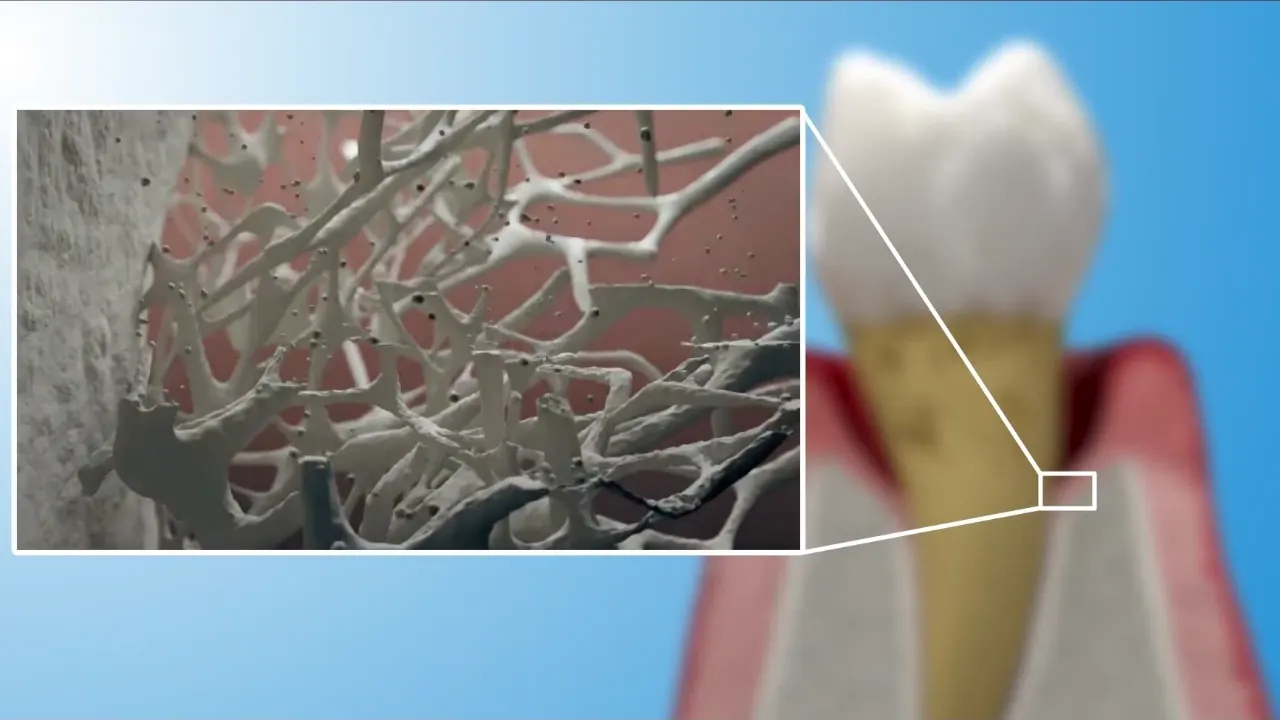
How periodontitis is treated: from assessment to stability
Treating periodontitis is more than a “deep clean”. It starts with a precise assessment, follows the steps defined by the 2020 European guideline and is judged on…
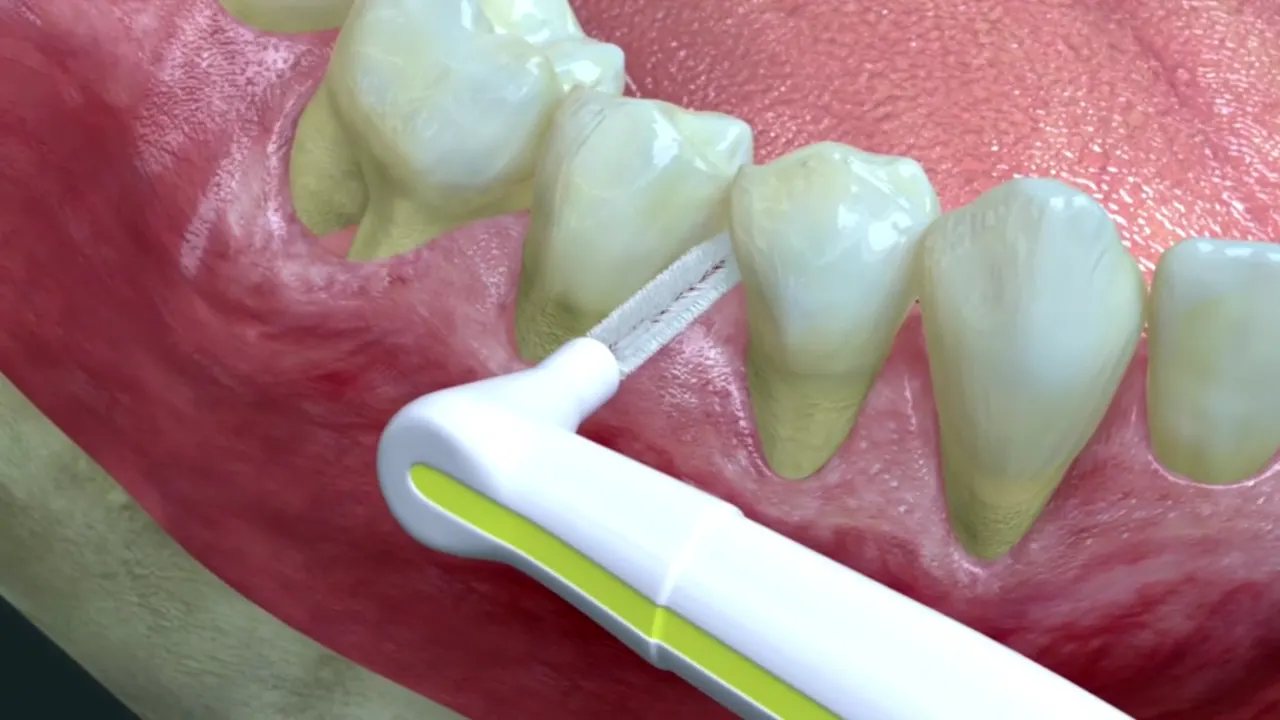
Periodontal maintenance: keeping results over time
Once the pockets have been treated, treatment is not over: it changes pace. Maintenance, or supportive periodontal care, aims to detect any return of the disease early…
Read next
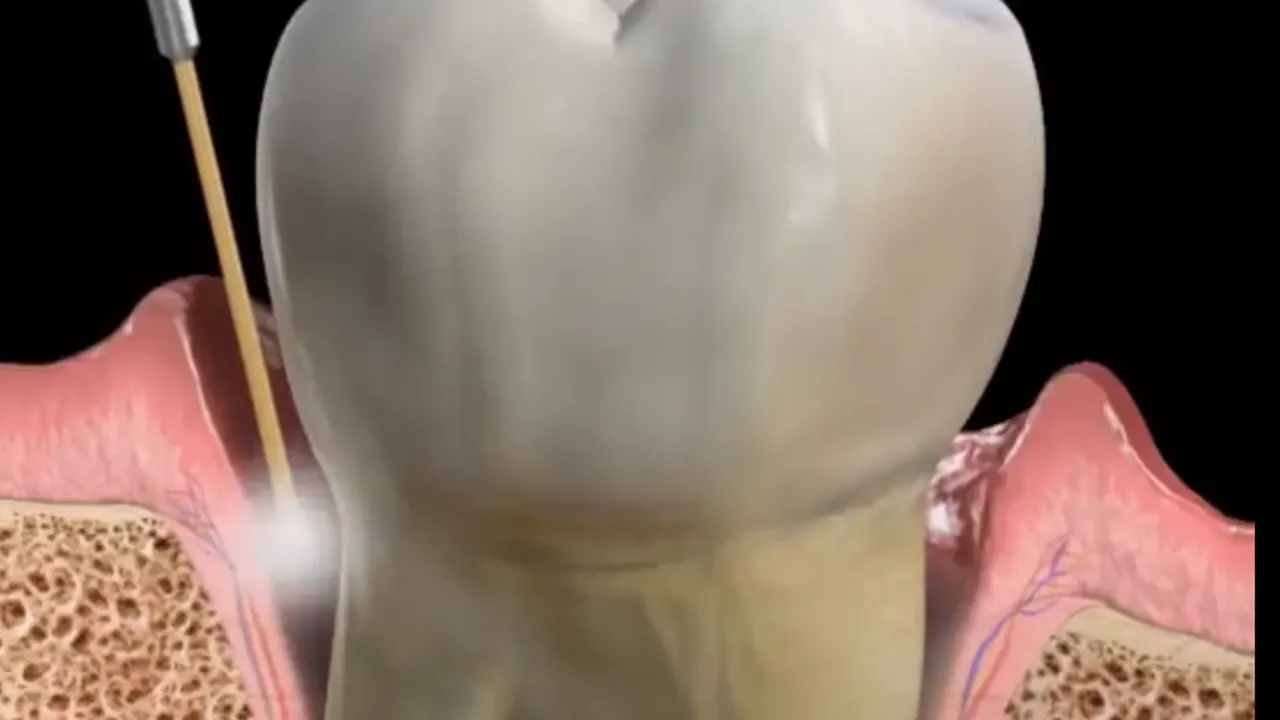
Diode and erbium lasers in periodontology: what the studies actually show
Lasers carry an image of modernity that often goes beyond what clinical trials show. This article brings together the main recent systematic reviews on the diode laser,…
Gum care around implants: preventing peri-implant mucositis and peri-implantitis
An implant cannot decay, but the gum and bone around it can become inflamed and break down, sometimes faster than around a tooth. The two diseases involved, peri-implant…
Diabetes and periodontitis: understanding a two-way link
Diabetes increases the risk of periodontitis, and periodontitis makes diabetes harder to control. It is the most thoroughly documented relationship between the mouth and…
Patient pathway