



How to choose a periodontist
Bleeding gums, receding gums, periodontitis diagnosed by your dentist: the time comes to see a practitioner who focuses on the gums. How do you find your way? Rather than rankings, which have no medical value, here are concrete, verifiable criteria that a patient can check from the very first appointment.
Key points
- In French, “parodontiste” and “parodontologue” refer to the same profession: a dental surgeon who focuses on the gums. Check their training (certificate, university diploma) and how much of their practice is devoted to periodontology.
- A good starting point: a full assessment, with clinical examination of the gums and X-rays, before any treatment.
- The diagnosis should be explained to you (stage and grade), with a written treatment plan and estimate.
- Treatment follows published guidelines; laser, if offered, supplements mechanical cleaning without replacing it.
- Long-term follow-up matters as much as the initial treatment.
Contents7 sections
- Periodontist: what the word means
- Criterion 1: a full assessment before any treatment
- Criterion 2: an explained diagnosis and a written plan
- Criterion 3: treatment that follows guidelines
- Criterion 4: organised long-term follow-up
- Criterion 5: transparency on fees
- At Dr Hazout's practice in Levallois-Perret
Periodontist: what the word means
In French, the two words “parodontiste” and “parodontologue” mean the same thing: a dental surgeon who devotes all or part of their practice to periodontology, that is, the tissues that hold the teeth (gum, ligament, bone).
Their expertise is reflected in their additional training, a certificate of advanced studies (CES) or university diploma (DU, DIU) in periodontology, and in the share of their practice devoted to the gums. This information should be public: on the practitioner's website, on their booking page, and in the French health directory (RPPS number).
Criterion 1: a full assessment before any treatment
Periodontitis cannot be judged at a glance. The assessment includes a discussion of your general health and medication, a clinical examination of the gums (bleeding, tooth mobility, areas between the roots) and X-rays showing the bone level around each tooth [1]. These findings serve as a baseline: comparing them later is how one checks that treatment has worked.
What you can check: did the practitioner explain what they found, show you the X-rays, and keep the assessment to compare at follow-up?
Criterion 2: an explained diagnosis and a written plan
Since 2018, periodontitis has been described by a stage (severity) and a grade (rate of progression) [2]. These two terms should appear in the explanations you are given: they determine the treatment and the pace of follow-up. The article Understanding periodontitis explains them in detail.
The treatment plan and estimate should be written, detailed and given to you before treatment. Teeth with a guarded prognosis should be flagged at the assessment, not discovered along the way.
Criterion 3: treatment that follows guidelines
The 2020 guideline of the European Federation of Periodontology (EFP) organises treatment in four steps: control of plaque and risk factors (smoking, diabetes), cleaning of the roots below the gum, treatment of pockets that persist, then maintenance [1]. A conscientious practitioner tells you where you are in this pathway.
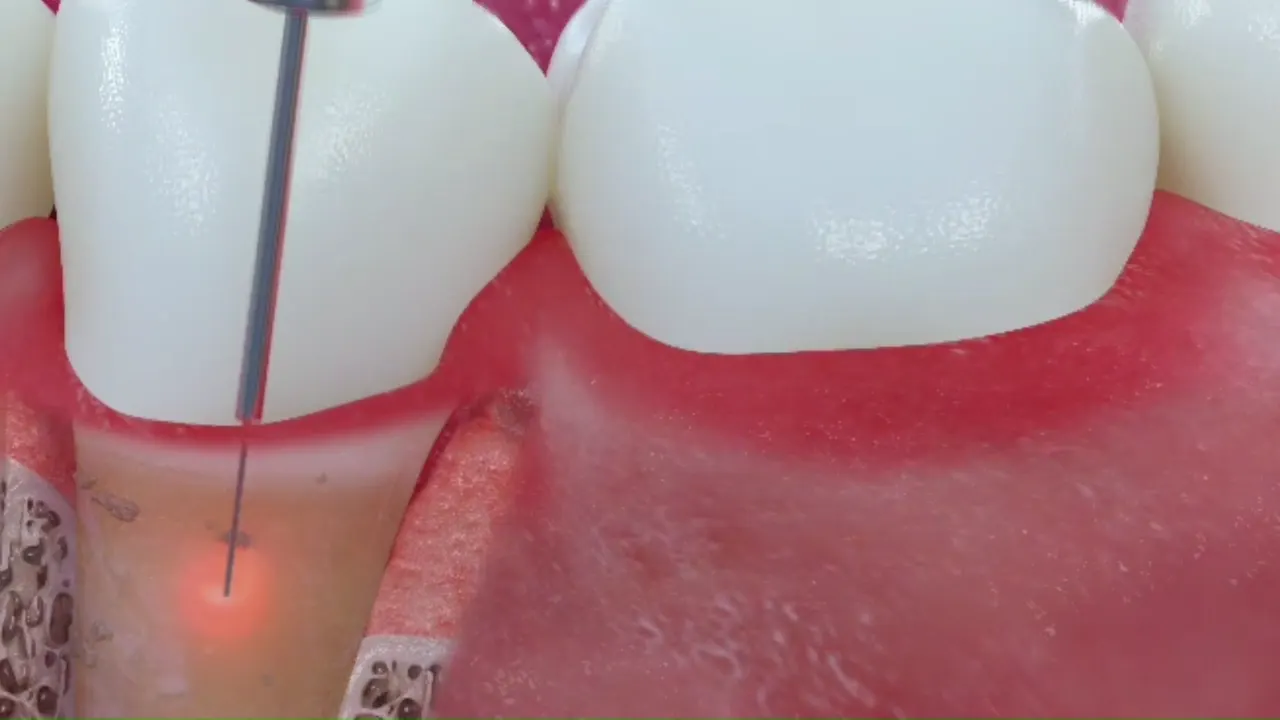
Be wary of promises: no treatment regrows lost bone outside specific surgical procedures, and laser has not shown sufficient benefit to replace mechanical cleaning [1]. If it is offered, it should be presented as a supplement, with its limits. The lasers page reviews what the studies show.
Criterion 4: organised long-term follow-up
Periodontitis is a chronic disease: results last if follow-up is regular. The practitioner should offer you a schedule of check-ups and compare each time with the initial assessment; at Dr Hazout's practice, a first check-up takes place one month after treatment, then follow-up is every six months. The periodontal maintenance page explains why.
Criterion 5: transparency on fees
Most periodontal procedures are not reimbursed by French national health insurance (Assurance maladie), and fees vary from one practice to another. A transparent practitioner displays their fees or provides them before any treatment, and gives a written estimate.
At Dr Hazout's practice in Levallois-Perret
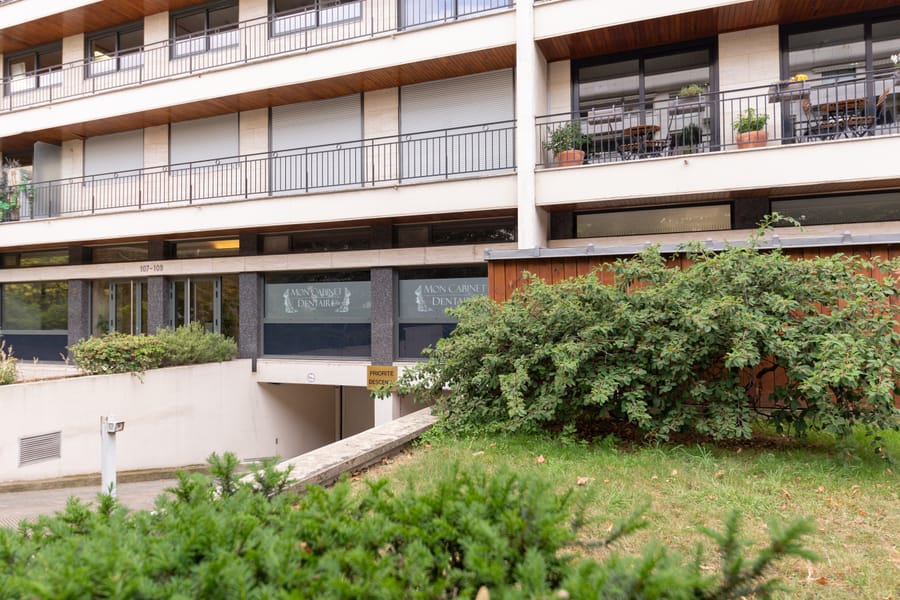
So that you can apply these criteria, here is verifiable information about the practice. Dr Victor Hazout practises at 119 rue du Président Wilson, Levallois-Perret, close to Neuilly-sur-Seine and the 8th, 16th and 17th arrondissements of Paris. His practice focuses on periodontology, oral surgery and implantology; his diplomas, with their universities and years, and his RPPS number are listed on the Background page.
- First visit: full periodontal assessment, with clinical examination and X-rays, €60.
- Initial treatment: the whole mouth, all six sextants, in a single session, €1,440 without laser or €1,800 with laser; written estimate provided before treatment.
- Follow-up: a first check-up one month after treatment, then six-monthly follow-up, more frequent if the risk requires it.
- Appointments online via Doctolib or on +33 1 42 67 05 04.
Frequently asked questions
Do I need a referral from my dentist to see a periodontist?
No, you can book an appointment directly. It is helpful to bring your recent X-rays and a list of your medication; what to bring is detailed on the First visit page.
Are “parodontiste” and “parodontologue” the same thing?
Yes. Both French words refer to a dental surgeon who focuses on the gums and the bone that supports the teeth; their training in periodontology (CES, DU or DIU) is a good indicator.
How can I check a practitioner's training?
Their diplomas should be listed on their website or booking page; their registration with the French Dental Council can be checked in the health directory using their RPPS number.
Are online reviews enough to choose?
They tell you about the welcome and organisation, not about the quality of diagnosis or treatment. Verifiable criteria (full assessment, written plan, follow-up) remain more reliable.
References
- Sanz M, Herrera D, Kebschull M, et al. Treatment of stage I-III periodontitis-The EFP S3 level clinical practice guideline. J Clin Periodontol. 2020;47 Suppl 22:4-60. PubMed
- Tonetti MS, Greenwell H, Kornman KS. Staging and grading of periodontitis: Framework and proposal of a new classification and case definition. J Periodontol. 2018;89 Suppl 1:S159-S172. DOI
Related treatments
Your first visit
The first appointment is about understanding: the state of your gums and bone, the causes at work, the treatment options. It involves no painful treatment and ends with…
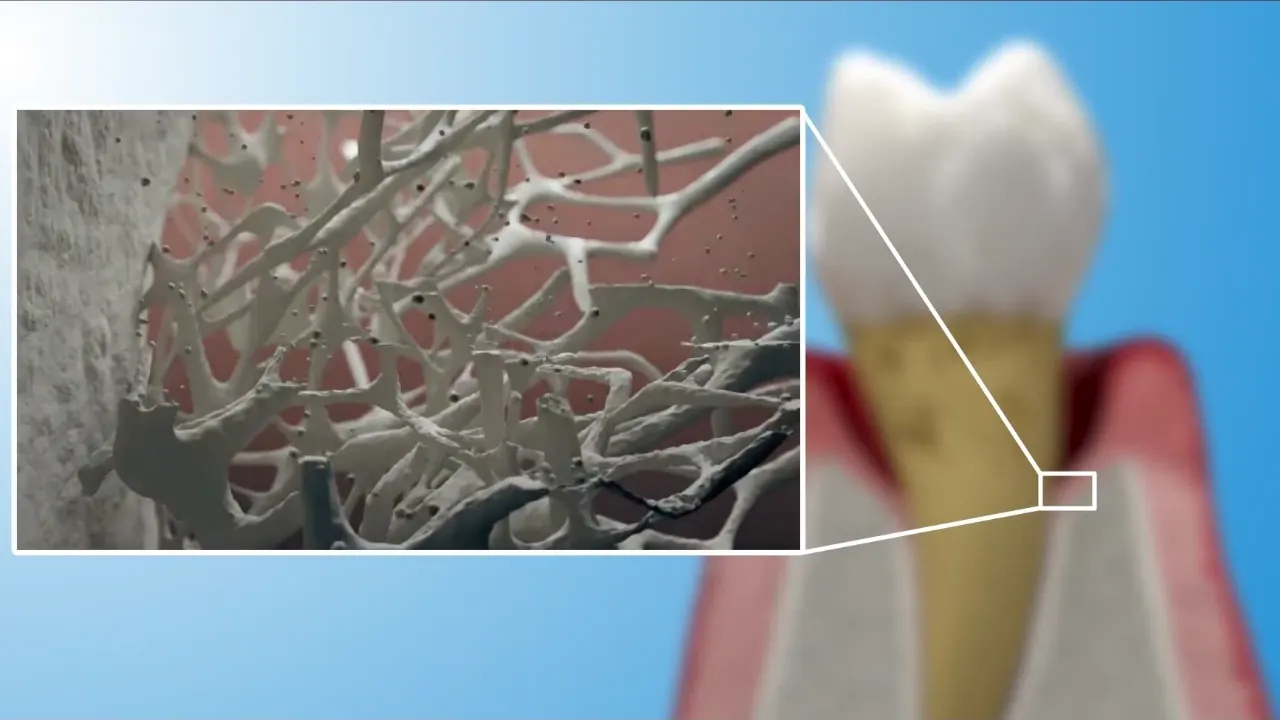
How periodontitis is treated: from assessment to stability
Treating periodontitis is not a “deep clean”. It begins with a precise assessment, follows the steps laid down by the 2020 European guideline and is judged on compared…
Read next
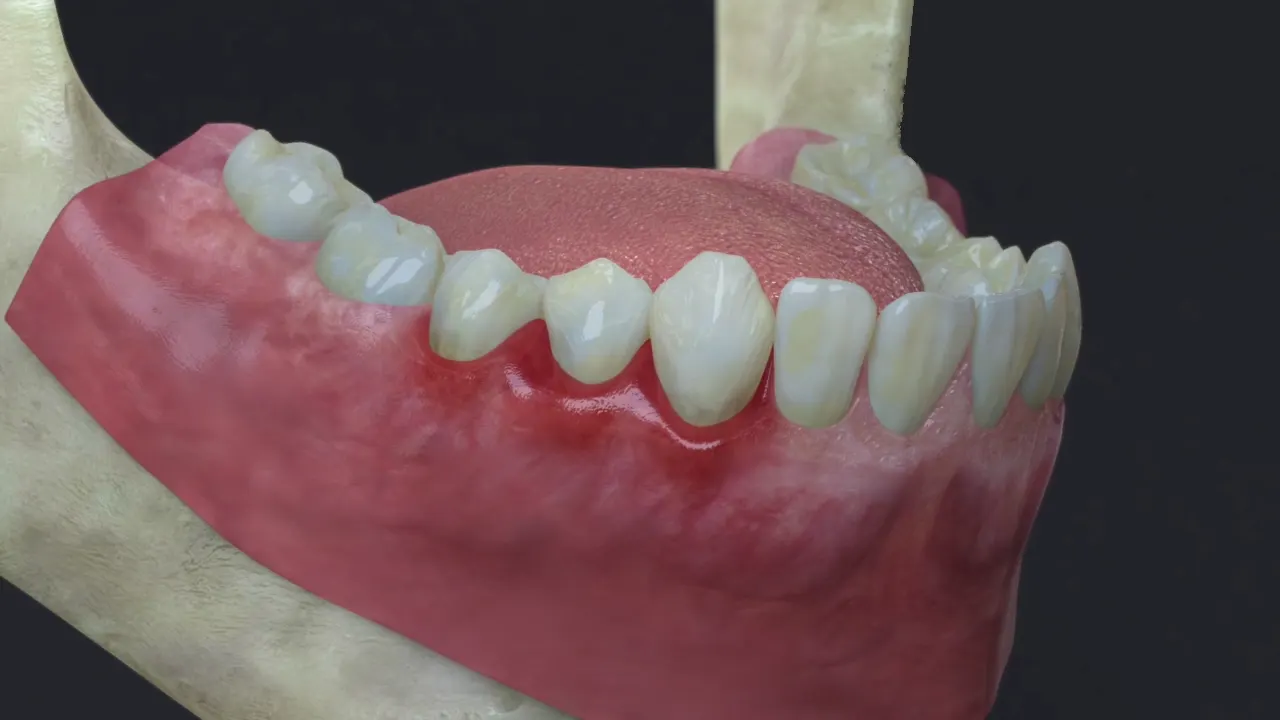
Understanding periodontitis: recognising the signs and how it is diagnosed
Periodontitis is among the most common chronic diseases, and among the least noticed. It advances without pain, and its first signs pass for merely irritated gums:…
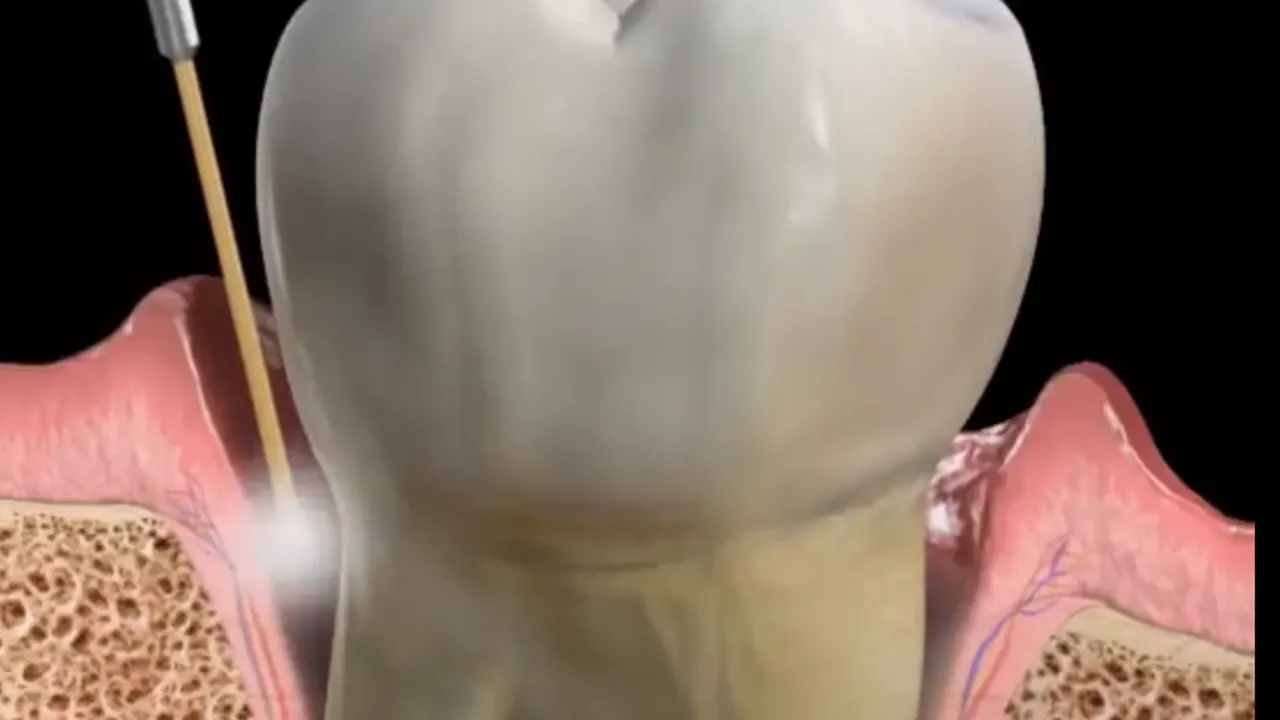
Diode and erbium lasers in periodontology: what the studies really show
Lasers enjoy an image of modernity that often outruns what clinical trials demonstrate. This article gathers the main recent systematic reviews on the diode laser, the…
Patient pathway